The battle for the world’s top-selling car isn’t just about ego. It is a raw data snapshot of where people actually park their keys. Every year, manufacturers chase that single title. The winner gets the bragging rights. More importantly, they prove they understand global mobility.
Here is how the leaderboard looks based on the latest numbers.
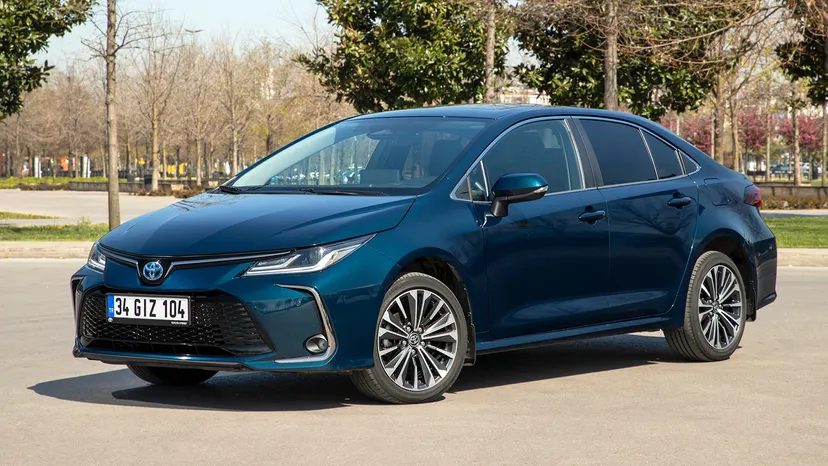
The Unstoppable Corolla
Toyota Corolla isn’t just a car. It’s a cultural fixture. For decades, this compact sedan has dominated global sales charts. Why does it win? It’s not flashy. It’s reliable. It’s efficient. And it’s everywhere.
From Tokyo to Toronto, the Corolla is the default choice for millions. It doesn’t scream for attention. It just works. This consistency is why it holds the crown year after year.
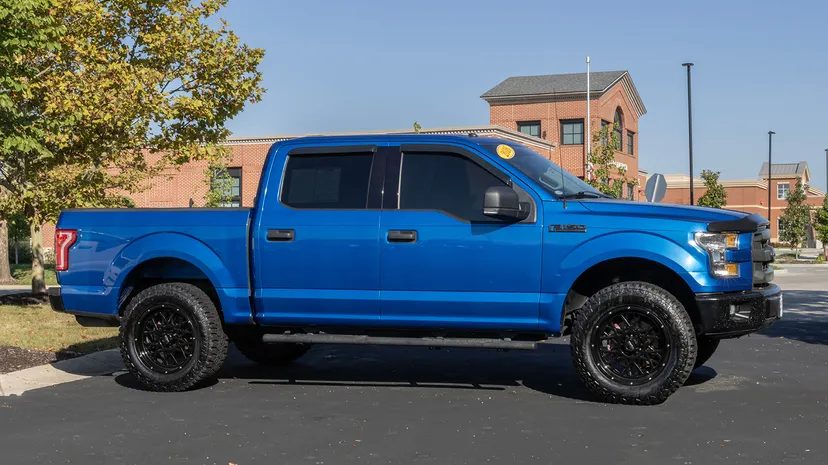
The Ford F-Series
If the Corolla is the quiet workhorse, the F-Series is the loud, muscular neighbor that dominates the driveway. This isn’t just a truck; it’s a cultural institution in North America that has held the title of best-selling vehicle in the United States for over four decades.
The numbers here are staggering. Since its introduction in 1948, the Ford F-Series has moved more than 40 million units. That kind of longevity doesn’t happen by accident. It happens because Ford nailed the balance between heavy-duty capability and daily drivability long before “lifestyle truck” became a marketing buzzword.
In recent years, the F-Series has consistently outpaced its closest rivals, including the Chevrolet Silverado and Ram 1500, to secure the top spot in annual sales charts. In the first quarter of the latest tracked year, Ford’s truck division alone accounted for a massive portion of the brand’s global volume. This isn’t niche appeal. It’s mainstream dominance.
The F-Series isn’t just about hauling lumber anymore. Modern versions come with tech suites rivaling luxury sedans, towing capacities that defy physics, and trim levels that range from utilitarian workhorses to opulent campers on wheels. But at its core, it remains the same vehicle that got Americans out of the mud and onto the highway: reliable, versatile, and deeply entrenched in the American identity.
Why do people keep buying it? It’s simple. It holds its value. It works. And for millions, it’s not just a tool; it’s a statement. The Corolla sells because it’s sensible. The F-Series sells because it’s American. Both rules the road, just in different worlds.
3. Toyota RAV4
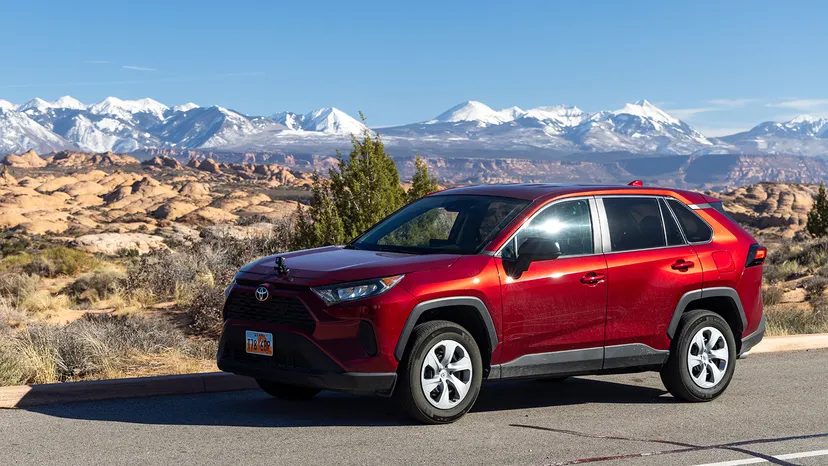
The Ford F-Series dominates, sure. But if you look past the full-size pickups, the real volume king for years has been the compact SUV. Specifically, the Toyota RAV4. It’s not just a bestseller in North America. It’s a global phenomenon.
Why does it stick? Reliability. Resale value. The fact that it doesn’t break down on the way to the grocery store. While trucks grab the headlines, the RAV4 sells in numbers that make sedans weep.
The RAV4 isn’t trying to be a lifestyle statement like a Jeep Wrangler. It’s not trying to haul logs like a Silverado. It’s utilitarian. Efficient. Available in gas, hybrid, and plug-in hybrid (PHEV) variants, which has broadened its appeal significantly. The hybrid versions, in particular, have carved out a massive niche for buyers who want efficiency without sacrificing cargo space or all-wheel-drive capability.
How the RAV4 Compares to Rivals
When you ask which compact SUV is best, the answer often loops back to the RAV4. Not because it’s the most fun to drive. It isn’t. The Mazda CX-5 feels sharper. The Honda CR-V offers more rear-seat room in some configurations. But the RAV4 sits in the sweet spot.
- Sales Volume: Consistently outsells competitors like the Honda CR-V, Nissan Rogue, and Hyundai Tucson.
- Resale Value: Holds its value better than most rivals in the segment.
- Powertrain Options: Offers the widest range of options, from base 2.5L four-cylinder to the hybrid and PHEV.
“The RAV4 proved you could sell millions of units without needing a V8 or a leather interior.”
Where It Sells
You’ll find RAV4s everywhere. In the suburbs of Texas. In the snow belts of Canada. In the dense urban centers of Tokyo and Seoul. Its global sales network ensures that parts are available and service centers are plentiful. That accessibility is a huge factor in its long-term dominance.
The RAV4 Prime, its plug-in hybrid sibling, has become a favorite for commuters looking to stretch their electric range. With over 40 miles of EV range in some models, it bridges the gap between traditional hybrids and full electric vehicles. For fleets and individual buyers alike, it offers a practical transition path.
This consistency is what keeps Toyota at the top. Not flash. Not horsepower figures. Just a vehicle that works. Every single time.
The Hybrid Factor
The shift toward electrification hasn’t hurt the RAV4. If anything, it’s helped. The hybrid model, introduced years ago, gained traction as gas prices fluctuated. Buyers realized they could get 40+ MPG without plugging in. Now, with the PHEV option, the range extends further.
This versatility is key. You don’t need to change your habits. You don’t need to install a charger at home to benefit from the hybrid system. It just works.
And when you’re looking for a vehicle that retains value in the used car market, the RAV4 is often the first name that comes up. Dealers know this. Buyers know this. It’s a cycle that reinforces its position.
Why It
Why the Tesla Model Y is Stealing the Crown
The crown for the world’s best-selling SUV was once firmly planted on Toyota’s head. For decades, the Toyota RAV4 held that title, delivering reliable utility and hybrid efficiency to families across the U.S., Europe, Japan, and Australia. Last year, it hit record numbers, proving that the blend of truck-like utility with car-like fuel economy is the formula that works. But the ground is shifting. Electric vehicles are no longer niche curiosities. They are mainstream. And in that arena, one name is making the RAV4 sweat.
The Shift to Electric Utility
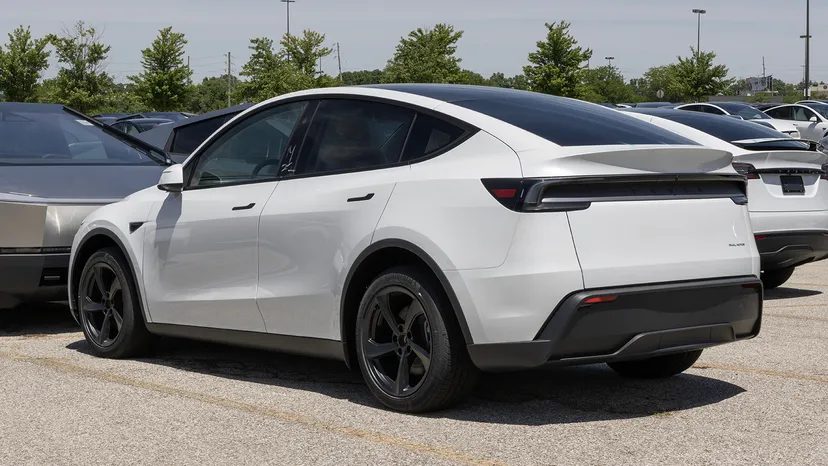
You don’t need a degree in engineering to understand why the Tesla Model Y is disrupting the segment. It offers the same practicality. Haul gear. Fit three car seats in the back. Go on road trips. But it strips away the complexity of an internal combustion engine. No oil changes. No transmission fluid. Just charging. This simplicity resonates with buyers who want the space of an SUV without the maintenance of a traditional vehicle.
The Model Y isn’t just a car. It’s a statement. It signals a departure from the status quo. While the RAV4 dominates with volume and reputation, the Model Y dominates with momentum and technology. Buyers are trading the reliability of Toyota for the innovation of Tesla. Is that a fair trade? For many, yes. The total cost of ownership, including energy savings and lower maintenance, tips the scales.
How It Compares to the RAV4
When you compare the Tesla Model Y to the Toyota RAV4, you’re not just comparing cars. You’re comparing eras. The RAV4 offers a hybrid option that bridges the gap. It’s efficient. It’s proven. It’s everywhere. The Model Y, however, offers instant torque. Silent operation. Over-the-air updates that improve the car while you sleep. These aren’t minor tweaks. They’re fundamental differences in how the vehicle behaves and feels.
Which one should you buy? It depends on your priorities. If you want a vehicle that has been tested in every climate on earth for twenty years, the RAV4 is the safe bet. If you want a vehicle that represents the future, with lower running costs and cutting-edge tech, the Model Y is the choice. The market is splitting. Some buyers are staying with the old guard. Others are jumping ship. Both paths have merit.
5. Honda CR-V: The Gas-Powered Counterpunch
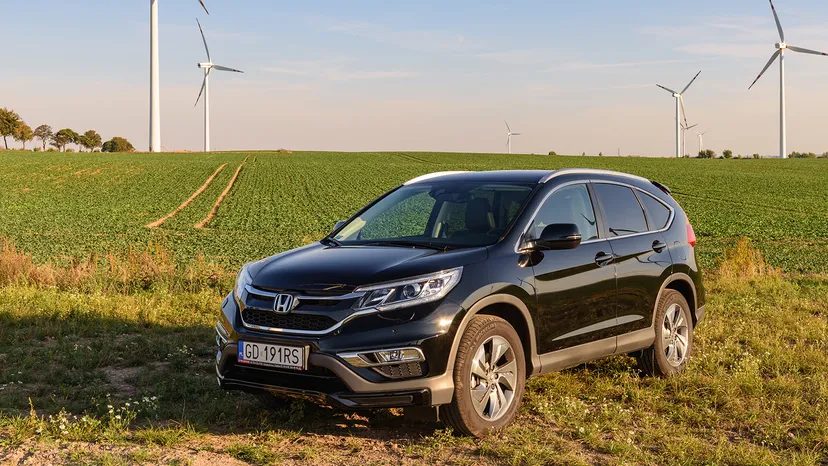
The crown doesn’t stay on the Model Y’s head for long. Or rather, it never really did for the entire year. Because if you look at the full-year global sales leaderboard for 2023, the Honda CR-V sits firmly at number five, proving that internal combustion still has serious legs.
While Tesla’s crossover dominated the headlines, the Honda CR-V moved metal. Lots of it.
This isn’t a fluke. The Honda CR-V has been a consistent top-ten presence for years, but 2023 highlighted a specific dynamic in the market. Buyers weren’t just choosing between electric and gas. They were choosing between new tech and trusted utility. The CR-V offers the latter in spades. It’s spacious. It’s reliable. It doesn’t require you to plan your road trips around charging station availability.
Why does this matter?
Because it shows the transition isn’t a cliff. It’s a slope. And the Honda CR-V is rolling down that slope with the weight of decades of brand loyalty behind it. In Europe, where EV incentives are stronger, the CR-V had to work harder. In North America, where truck culture reigns, it carved out a niche as the sensible SUV for families who aren’t ready to go fully electric yet.
The rivalry between the Tesla Model Y and the Honda CR-V isn’t just about numbers. It’s about two different philosophies colliding. One side is pushing for a rapid, tech-forward overhaul of personal transport. The other is offering incremental improvement on a formula that already works.
Both are winning. Just in different ways.
The gap between them is narrowing, sure. But the gap in mindset? That’s still wide open.
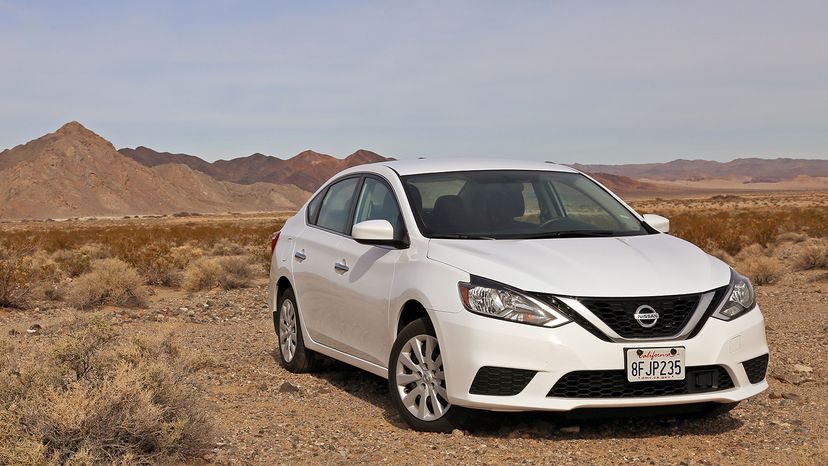
6. Nissan Sentra
The Honda CR-V isn’t just selling well; it’s a global staple. You see them in Tokyo traffic, on suburban driveways in Toronto, and clogging interstates across the U.S. The secret sauce? It’s the Goldilocks of crossovers. Not too big, not too small. Comfortable enough for long hauls, practical enough to haul furniture, and efficient enough that you aren’t constantly topping off the tank.
Nissan saw this playbook and decided to tweak the script for its own sedan entry. The Nissan Sentra has carved out a niche that doesn’t scream for attention but whispers reliability. It’s not trying to be the sportiest compact car on the lot. It’s trying to be the one you buy without overthinking it.
Why the Sentra Keeps the Faith
While the CR-V dominates the SUV segment, the Sentra holds its ground in a market that’s arguably shrinking. Why? Because people still need a daily driver that doesn’t break the bank. The Sentra offers a specific kind of value proposition: it’s quiet, it’s predictable, and it’s widely available.
Nissan has tweaked the Sentra over the years, adding more tech and refining the ride quality, but the core appeal remains the same. It’s a sensible choice for buyers who prioritize fuel economy and low maintenance costs over leather seats or aggressive styling. In a world of electrified gimmicks and overpriced trims, the Sentra is a refreshing return to basics.
The Hybrid Question
You might be wondering, how does the Sentra compare to the CR-V hybrid in terms of efficiency? They serve different masters. The CR-V hybrid is for those who need cargo space and all-wheel drive. The Sentra is for the commuter. Its hybrid variant (when available in specific markets) offers a slight edge in city driving, where electric assist shines. But for most buyers, the standard four-cylinder is more than sufficient. It’s not about peak performance. It’s about getting from A to B without drama.
Where It Fits in the Market
If you’re looking at compact cars, the Sentra isn’t fighting the Ford Focus (which is dead) or the Chevy Cruze (also gone). It’s up against the Toyota Corolla and the Honda Civic. These are the titans. The Sentra doesn’t beat them on sales volume, but it beats them on price. Often, you can walk out of a Nissan dealership with a fully loaded Sentra for less than the base model of its competitors. That’s a hard metric to ignore.
Is it the most exciting car to drive? No. Will it win any design awards? Unlikely. But for the pragmatist who wants a reliable, affordable, and competent compact sedan, the Nissan Sentra remains a serious contender. It’s not the flashiest option. But it’s one of the smartest.
7. Volkswagen Golf
The Sentra holds its ground globally, particularly in Latin America and Asia, where it moves units consistently. It’s a staple in those markets. Europe, however, is a different story. The Sentra is barely visible there, pushed out by a segment where Volkswagen’s own machinery dominates the conversation.
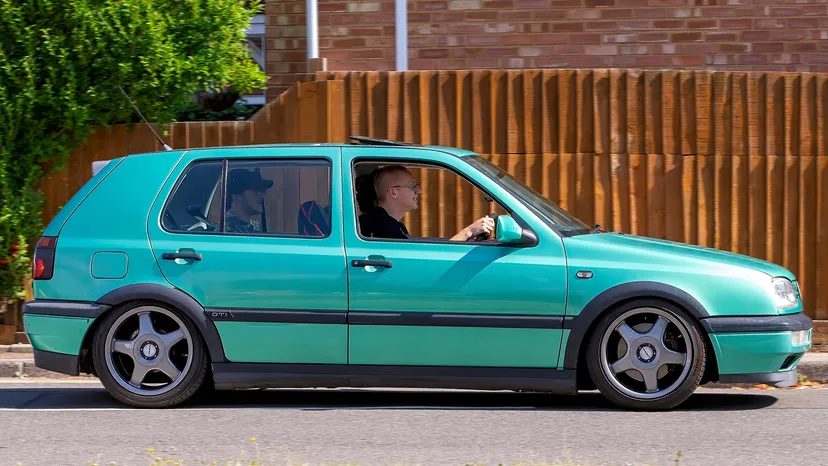
This absence highlights a specific market reality. While Nissan focuses on volume and reliability for the Sentra in its strongholds, the compact hatchback remains the king of the European road. And at the helm of that kingdom sits the Volkswagen Golf.
For enthusiasts, the Volkswagen Golf isn’t just a car; it’s the benchmark. It defined the hot hatch segment and has refined that formula for decades. While the Sentra targets value and space, the Golf targets driving dynamics, build quality, and a certain Vorsprung durch Technik badge prestige that justifies a higher price tag in many eyes.
The Golf’s longevity is its greatest asset. It doesn’t chase trends with the same desperation as some competitors. It evolves. The current iterations balance digital cockpits with tactile controls, a move that pleases the core fanbase while attracting new buyers who want a premium feel in a compact footprint.
In markets where the Sentra struggles, like parts of Western Europe, the Golf’s presence is undeniable. It’s the car people choose when they want something practical that still feels engaging to drive. It’s not the cheapest option, but it’s rarely the most expensive either. It sits in that sweet spot of value and performance that the Sentra tries to emulate but often can’t quite match in terms of driving feedback.
The rivalry is interesting because it’s not direct. They rarely fight for the same buyer in the same region. The Sentra wins on price and interior space in North and South America. The Golf wins on chassis tuning and brand cachet in Europe. Both are successful. Both are mainstays. But they live in slightly different worlds.
When you look at the compact segment as a whole, the Golf sets the standard. The Sentra adapts to local needs. The Golf adapts to changing regulations and technology while keeping the same fundamental recipe. That consistency is why it stays in the conversation, even when sales numbers fluctuate. It’s a car that respects its history while quietly pushing forward.
Is there a better all-rounder? Maybe not. The Golf doesn’t excel in every category. Fuel economy isn’t always class-leading. Interior space can feel tight compared to a sedan. But the driving experience? That’s what keeps buyers coming back. It’s a refined machine that hasn’t lost its soul in the process of becoming modern.
8. Chevrolet Silverado
The Golf’s European dominance might be softening under the weight of electrification, but the battle for automotive supremacy is being fought elsewhere. While the hatchback remains a cultural totem in Germany and across the EU, global sales data tells a different story. It has slipped from the very top tier of best-selling models worldwide, overshadowed by vehicles that cater to different priorities.
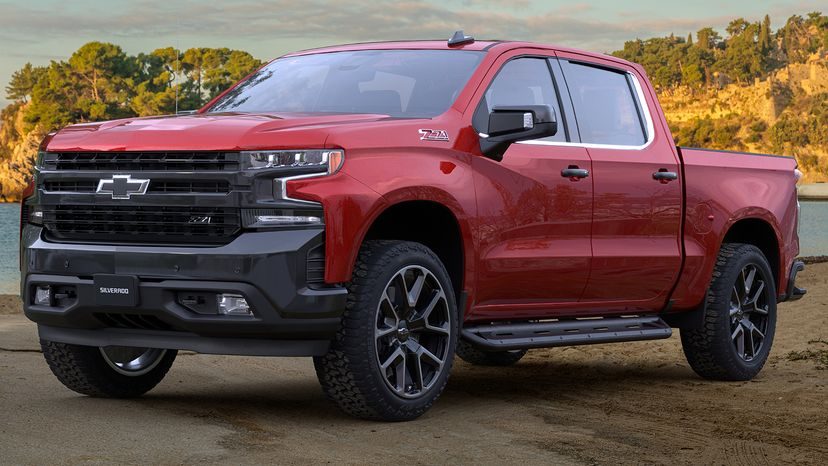
Enter the Chevrolet Silverado.
In the global arena, volume isn’t just about volume; it’s about utility. The Silverado isn’t trying to be a lifestyle icon in the same way the Golf is. It’s a tool. A heavy-duty, bed-carrying, V8-towing machine that dominates the North American landscape and rakes in numbers that make the compact sedan look like a niche hobby.
While the Golf fights for survival in a shrinking ICE (internal combustion engine) segment in Europe, the Silverado thrives in a market that refuses to let go of full-size trucks. It’s not just about hauling lumber anymore. It’s about the sheer mass of transactions in the US and Canada, where truck sales still outpace almost every other category combined.
The Golf holds its ground in Europe. The Silverado owns the global volume charts.
The disconnect is stark. You can buy a fully loaded, tech-laden Golf R and still be driving a car that feels somewhat constrained by its compact footprint. Step into a Silverado, and you’re in a vehicle defined by scale. It’s louder. It’s bigger. And for a massive chunk of the planet, it’s simply more useful.
This isn’t to say the Golf isn’t selling. It is. But the Silverado’s appeal transcends the typical commuter. It appeals to the tradesman, the weekend warrior, and the suburban dad who needs to tow a boat once a summer. That’s a wider net.
In a world increasingly obsessed with range anxiety and charging infrastructure, the Silverado offers something electric vehicles still can’t fully replicate: raw, unapologetic utility. You plug in a bolt. You fire up a truck. The sound alone tells you which one is winning the emotional battle, even if the spreadsheet tells a more complex story.
The Golf remains relevant. But relevance isn’t the same as dominance.
The Silverado’s Persistent Grip on the Market
The Chevy Silverado isn’t just hanging on; it’s holding the line. While the Ford F-Series sits comfortably at the top of the U.S. pickup truck sales charts, the Silverado is never far behind. It’s a tight race, but the gap has remained consistent for years. Alongside its corporate cousin, the GMC Sierra, the Silverado ensures General Motors stays firmly entrenched in the North American sales rankings. They move volume. They dominate the streets. And they keep the competition sweating.
This dominance isn’t accidental. It’s built on a foundation of versatility, heavy-duty capability, and a brand name that carries weight in both urban and rural landscapes. When buyers think “truck,” they often think Ford first, Chevy second. But “second” is a strong position to be in when you’re selling hundreds of thousands of units annually. The Silverado’s ability to adapt to everything from daily commuting to heavy towing makes it a perennial favorite.
Why the Silverado Stays Relevant
The secret sauce? It’s not just one thing. It’s the combination of powertrain options, tech integrations, and trim levels that cater to vastly different buyer profiles. You’ve got the work-focused WT trim for the contractors, the luxury-laden High Country for the executives, and everything in between. This breadth allows GM to capture a wider slice of the market than any single competitor.
The Silverado’s consistent performance in sales charts reflects a broader trend: consumers are prioritizing capability and value over pure novelty.
Moreover, the continuous evolution of its platform keeps it fresh. Each generation brings improvements in fuel efficiency, interior space, and off-road prowess without alienating the traditional base. This balance is difficult to strike, yet Silverado manages it year after year. It’s a testament to GM’s engineering and marketing strategies.
The Sierra’s Role in the Duo
You can’t talk about the Silverado without mentioning the GMC Sierra. While the Sierra often commands a slight price premium and positions itself with a more upscale aesthetic, it shares much of the same DNA. Both trucks benefit from shared parts bins, similar powertrains, and comparable structural integrity. This synergy allows GM to streamline production and costs while offering two distinct identities to consumers who might lean toward one brand over the other for stylistic reasons.
The Sierra appeals to buyers who want the truck capability but with a touch more refinement in the cabin and exterior design. The Silverado, conversely, often feels more rugged and utilitarian out of the box. Together, they form a formidable one-two punch that keeps Ford on its toes.
Looking Ahead
As the automotive landscape shifts toward electrification and autonomous driving, the pickup segment remains resilient. The Silverado is no exception. With upcoming EV models and hybrid variants on the horizon, Chevy is preparing to defend its territory in a changing market. The question isn’t whether the Silverado will remain a top contender, but how it will adapt to keep pace with evolving consumer demands and regulatory pressures.
One thing is certain: the battle for the driveway is far from over. And as long as people need to haul, tow, or just look tough doing it, the Silverado will have a place at the table.
9. Hyundai Tucson
Shifting gears from the heavy haulers to the compact crossover SUV segment, the Hyundai Tucson holds its own. It’s
10. Mazda CX-5
The Mazda CX-5 holds steady at number ten. It’s not the loudest name in the compact SUV space, but it refuses to be ignored. This vehicle appeals to drivers who care about how a car feels, not just how it looks on paper.
Mazda doubled down on its Kodo design language with this model. The result is a profile that looks slower than it is. The interior follows suit. Every button, dial, and switch is placed with intention. No touchscreens cluttering the dash unless you specifically ask for them. The focus remains on tactile feedback.
Why does this matter? Because screen fatigue is real. The CX-5 offers a driving experience that prioritizes human connection over digital noise. The Skyactiv powertrains deliver efficiency without sacrificing torque. You get decent fuel economy. You get responsive handling. You don’t get the numb steering wheel feel common in competitors.
In markets like Europe and Australia, the CX-5 remains a top choice for those who reject the generic SUV template. It doesn’t try to be everything to everyone. It tries to be a car first. An SUV second. That distinction keeps buyers loyal.
Hyundai Tucson’s Tech-Led Rise
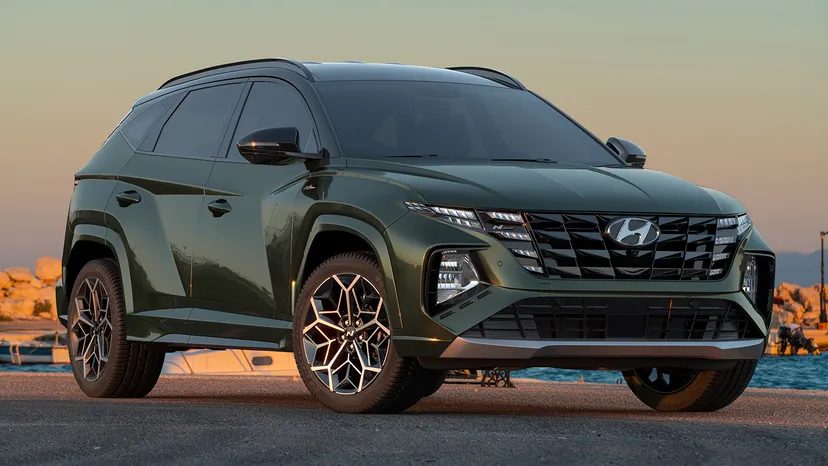
While Mazda charms with tradition, Hyundai pushes forward with raw utility. The Hyundai Tucson has surged up global rankings. It isn’t just selling volume. It’s changing perceptions.
The key? A mix of bold styling and aggressive tech integration. The Tucson doesn’t whisper. It shouts with sharp lines and pixelated light signatures. Inside, the focus shifts to connectivity and safety. Affordable pricing keeps it accessible, while features like advanced driver assistance systems (ADAS) make it competitive against much pricier rivals.
Hyundai’s pivot toward electric and hybrid variants has been strategic. It allowed the brand to ride the wave of sustainability without alienating traditional buyers. The Tucson offers ICE, HEV, and PHEV options. This flexibility is why it’s gaining traction in Europe, Asia, and Australia simultaneously.
Is it the best SUV on the market? Probably not. It’s not about being the best. It’s about being the most complete package for the average buyer. You get space. You get safety. You get a warranty that usually beats the competition. For a growing demographic that values practicality over prestige, the Tucson hits the mark.
The Battle for Compact Dominance
The gap between ten and higher ranks is narrow. Mazda and Hyundai are playing different games but targeting similar demographics. One focuses on feel. The other on features.
Both brands understand that modern buyers are skeptical. They want value. They want technology that actually works. They want safety without the premium price tag. The CX-5 delivers via craftsmanship. The Tucson delivers via innovation.
This divergence creates a healthier market. It forces everyone else to step up. If you’re looking for a compact SUV that doesn’t feel like a computer on wheels, the Mazda CX-5 is your answer. If you want a tech-forward, hybrid-ready hauler that won’t break the bank, look at the Tucson.
Both are proving that you don’t need a luxury badge to feel premium. You just need to understand what drivers actually need. And neither brand is resting on their laurels.
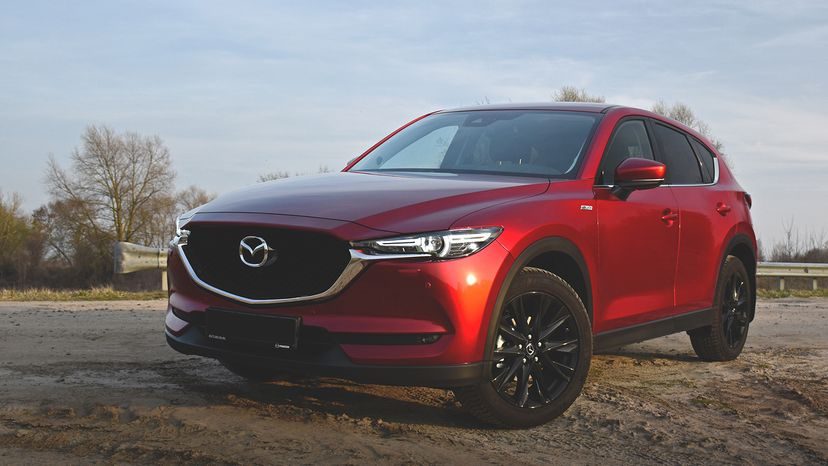
Why the Mazda CX-5 Holds the Global Sales Crown
The Mazda CX-5 isn’t just another compact crossover. It’s the model keeping the Hiroshima-based manufacturer afloat. Sales are strong in Japan, the U.S., and Australia. That specific trio of markets provides the backbone for its global dominance.
It’s an odd statistic when you look closer. The CX-5 doesn’t move units by the millions like a Toyota RAV4. Its global volume is relatively small. Yet, it remains Mazda’s best-selling model worldwide.
How does it do that? By offering a refined driving experience at a competitive price point. Most rivals feel like appliances. The CX-5 feels like a car. It appeals to new buyers who want value. It also pulls in returning Mazda fans who refuse to compromise on handling.
The strategy is simple. Don’t try to win on volume alone. Win on engagement. When the drive feels right, people buy. When they like the way it feels, they come back. That loop keeps the CX-5 at the top of Mazda’s lineup.
The numbers back it up. Strong regional sales add up to a global leader. Even with modest total volumes compared to industry giants. The CX-5 proves you don’t need to be the biggest to be the most successful for your brand.
The CX-5 remains Mazda’s best-selling model worldwide, despite relatively small global sales volume compared to mass-market competitors.
This isn’t about beating everyone. It’s about beating the odds. And in the compact SUV segment, beating the odds is a victory.
The article was created in conjunction with AI technology, then made sure it was fact-checked and edited by a HowStuffWorks editor.