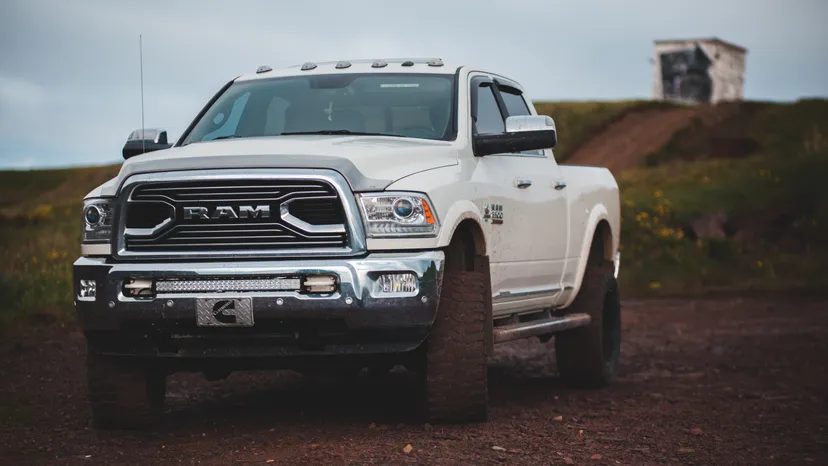
The 2023 Ram lineup doesn’t just haul. It dominates. We’re looking at machinery built to drag heavy equipment across job sites or pull a weekend getaway boat out of the water without breaking a sweat. But capacity isn’t a single number. It’s a negotiation between engine output, payload limits, and Gross Vehicle Weight Rating (GVWR).
You need to know which truck fits which load. This isn’t just about horsepower. It’s about whether your truck can actually handle the weight without bottoming out or overheating. We’re breaking down the ram towing capacities for this year’s models. We’ll look at the engines. The tech. And the real-world constraints that matter when you’re hooking up to a trailer.
Engine Power and Towing Limits
Ram didn’t cut corners on powerplants. They gave you options. Some for torque. Some for raw scream. The engine choice dictates your upper limit.
The 6.7L Cummins Turbo Diesel
This is the heavy hitter. The inline-six Cummins Turbo Diesel in the 2023 lineup is a beast. It doesn’t just tow. It plows through resistance. In the Ram 2500, specific configurations push the towing capacity to just under 20,000 pounds. That’s 19,980 pounds to be precise.
Why does this matter? Diesel torque. You get it low in the RPM range. No waiting for the turbo to spool. You step on the gas. The load moves. It’s efficient, too. If you’re moving heavy payloads regularly, the fuel economy holds up better than you’d expect for a truck this capable. It’s a force multiplier.
HEMI V8 Options
Not everyone wants diesel. Some prefer the familiar rumble and response of a gasoline V8. Ram offers two distinct flavors.
The 5.7L HEMI V8 lives in the Ram 1500. It’s not a brute. It’s a precision tool. It maxes out at 12,750 pounds of towing capacity. That’s plenty for most recreational loads. Boats. Campers. Utility trailers. It handles them with ease.
Then there’s the 6.4L HEMI V8. This engine steps up to the 4500 and 5500 series models. We’re talking commercial-grade territory here. Higher towing capacities. More power output. Better fuel efficiency than older iterations. If you’re running heavy equipment or large commercial trailers, this is your engine.
Both V8 options deliver:
– High torque curves
– Proven reliability
– Strong resale value
– Seamless integration with towing tech
Choose the engine based on your heaviest load. Don’t overbuy. But don’t underbuy, either.
Payload and GVWR: The Hidden Limits
Towing capacity is only half the equation. The other half is what you’re carrying inside the truck.
Payload is the maximum weight your truck can hold. Passengers. Cargo. Fuel. Gear. GVWR is the total allowable weight of the vehicle itself. Payload plus the truck’s curb weight must never exceed GVWR.
Here’s the catch. Your towing capacity shrinks as your payload increases. Every pound of cargo you put in the bed eats into your ability to tow. It’s simple physics.
The Ram 2500 has a max payload of 4,000 pounds.
The Ram 3500 climbs to 7,680 pounds.
That difference is significant. If you’re hauling heavy equipment in the bed and towing a trailer, the 3500 gives you more breathing room. It allows for a heavier tow without exceeding legal weight limits.
Understand your GVWR. Check the sticker on your door. It lists the exact limits for your specific trim and option package. Generic numbers online are starting points. Your door sticker is the law.
Tech That Keeps You Alive
Power gets you moving. Tech keeps you safe. The 2023 Rams come equipped with systems that actively manage the trailer. They don’t just monitor. They intervene.
Trailer Reverse Steering Control is a game-changer. H-backing a long trailer into a tight spot is stressful. This system lets you turn the steering wheel left or right in the truck to push or pull the trailer in the same direction. It’s intuitive. It reduces the learning curve for heavy towing.
Trailer Tire Pressure Monitoring watches the tires you can’t see. Low pressure? You’ll get a warning before a blowout happens on the highway. Prevention is cheaper than a roadside repair.
Air Suspension adjusts in real-time. When you hook up a heavy trailer, the rear sags. The air bags inflate to level the ride. It keeps your headlights aimed correctly. It improves handling. It makes the truck feel lighter than it is.
These aren’t luxury add-ons. They’re safety necessities. If you’re towing seriously, look for trucks equipped with these features. They reduce fatigue. They reduce risk.
Choosing the Right Cab and Capability
Size matters. Weight matters. Off-road readiness matters.
Cab Size : Crew cabs offer comfort. Regular cabs offer bed space. If you’re towing for work, you might need the bed length. If you’re towing for leisure, the crew cab’s rear seats and smoother ride make sense. Trade-offs are inevitable.
Off-Road Capability : If your tow destination is dirt, you need four-wheel drive. Ram’s off-road packages add skid plates, upgraded shocks, and all-terrain tires. They don’t just help you get to the trail. They help you navigate uneven ground while pulling a load.
Match the truck to the terrain. Don’t buy a lifted off-roader if you’re only paving roads. Don’t buy a base model if you
Raw horsepower is just the starting line. If you want to move heavy loads without losing your mind, you need technology that watches your six. The 2023 Ram lineup doesn’t just brute-force its way up a grade. It uses a suite of digital aids to keep the rig straight, the tires inflated, and the suspension compliant. This isn’t just about getting there. It’s about getting there without destroying your back or the trailer’s axles.
Trailer Reverse Steering Control
Backing a trailer is where most drivers hit their limit. The 2023 Ram changes the geometry of that panic. With the available Trailer Reverse Steering Control, you stop fighting the wheel. You grab a small knob mounted on the dash, turn it left or right, and the truck’s steering system moves the front wheels automatically.
The logic is simple. Turn the knob to angle the trailer the way you want. The computer calculates the necessary truck angle to match. It handles the heavy steering input. You just guide the trajectory. This makes tight maneuvering in confined spaces less of a nightmare. You aren’t guessing the pivot point anymore. You are directing it.
Trailer Tire Pressure Monitoring
Blowouts are a towing nightmare. The 2023 Ram trucks have an integrated system that monitors up to 12 tires across up to three axles. It can even handle up to four configurable trailers if you’ve got the hardware set up.
Pressure matters for stability. Low pressure heats up, expands, and fails. The Ram system keeps a watchful eye on this. It ensures the tires stay in the optimal range. This isn’t just about safety. It’s about longevity. Proper pressure prevents premature wear. It keeps the load balanced. You drive with the confidence that the contact patches are doing their job.
Air Suspension
The Active-Level™ Four-Corner Air Suspension is available on Crew Cab models. It replaces traditional steel springs with air springs and shock absorbers. The result is adjustable ride height. Push a button, and the truck lowers for easier loading or raises for off-road clearance.
This system tunes itself for the load. It provides superior towing stability by keeping the chassis level. It doesn’t just absorb bumps. It manages them. You get a smoother ride when empty and a stable platform when heavy. It’s customizable for off-road performance or pure comfort. The choice is yours, and the hardware adapts.
Crew Cab vs. Regular Cab
Choosing the body style dictates your utility. The Crew Cab isn’t just about style. It offers significantly more rear seat space. Passengers get real legroom. It also offers two truck bed size options, giving you flexibility for cargo length.
Towing capacity favors the Crew Cab too. Heavy-duty Crew Cab models often outperform Regular Cab configurations in max tow ratings. If you need to haul heavy loads and carry passengers, the Crew Cab is the logical choice. The Regular Cab has its place, but it’s usually locked into a single bed size and lower passenger utility. Define your needs. Space versus pure workhorse simplicity.
Off-Road Capabilities
Some buyers want to tow and then drive off-grid. The Rebel and TRX models are built for this. They come with powerful engines, advanced suspension systems, and aggressive all-terrain tires.
These aren’t just cosmetic upgrades. They include hill descent control, reinforced skid plates, and tires designed to bite into loose surface. You can traverse terrain that would stop a standard work truck dead. Yet, they retain exceptional towing capabilities. You don’t have to choose between adventure and utility. The hardware supports both.
Ordering Your Ram Truck
The 2023 Ram truck ordering process has shifted online. The Ram Trucks E-Shop Program lets you browse inventory and select financing before you ever walk into a lot. You can have the chassis cab delivered to your desired location.
For the 2023 Ram 1500, customization happens on the Dodge website or at a dealership. You configure the options. You submit the order. The wait time is typically between 4 and 12 weeks. It’s a deliberate process. You aren’t just picking a car off a lot. You’re building a tool.
Towing Safety Tips
Technology helps, but human input is final. Safety starts with the hitch. The connection must be firm. The trailer must be balanced correctly on the hitch ball. Any slack here transfers force unpredictably.
Loading is equally critical. Distribute the weight evenly. Do not overload the trailer. The center of gravity dictates handling. If the load is top-heavy or uneven, the truck will fight you.
Driving technique matters too. Slow down. Be aware of your surroundings. Towing changes the vehicle’s dynamics. It increases stopping distances and turning radii. Respect the physics. The technology manages the details. You manage the context.
The 2023 Ram lineup
You want power. You want capability. You want a truck that doesn’t just tow but actually enjoys doing it. The 2023 Ram trucks deliver on all three fronts. It isn’t just about raw horsepower though. It’s about the ecosystem surrounding that power. The technology embedded in these cabs makes heavy loads feel manageable.
Engine choices matter
Not all powertrains are created equal. You have options. The standard HEMI V8 is a classic for a reason. But if you need more torque for those steep mountain passes, the available V8 with higher output options changes the game. For the fuel-conscious tow-happy driver, the inline-six diesel offers massive low-end grunt. It pulls harder at lower RPMs. That means less strain on the transmission.
Cab and bed configurations
A crew cab doesn’t mean a smaller bed. Ram solved that geometry problem. You can get a crew cab and still haul a 5-foot-7-inch bed. That matters. Most trailers don’t need an 8-foot box. The space inside the cabin is where the real comfort lives though. The air suspension isn’t just for show. It levels out the ride when you’re hauling a heavy fifth wheel. You aren’t bouncing around the cabin like you’re in a school bus.
“The versatility of the cab configurations allows for maximum utility without sacrificing passenger comfort.”
Tech that actually helps
Towing isn’t just about pulling. It’s about seeing. The 360-degree camera system is a lifesaver when backing up a 30-foot trailer into a tight spot. The trailer reverse assist feature is brilliant. You turn the wheel one way, the trailer goes that way. No more craning your neck trying to figure out the pivot point. It reduces the cognitive load. You’re driving the truck. The system handles the trailer’s geometry.
The integrated trailer brake controller is standard on most trims. You don’t need to fumble with a remote under the dash. The settings are intuitive. You set the gain. You test the brakes. You’re good to go. It’s simple. It works.
Safety features
Modern towing requires modern safety nets. Forward collision warning with full self-braking doesn’t just stop you from hitting a car. It stops you from hitting a car because your trailer is pushing your truck forward during an emergency stop. The blind-spot monitoring with trailer coverage is essential. Your mirrors can’t show you everything. These sensors do.
Lane keep assist feels different when you’re towing. The system adjusts its sensitivity. It knows you’re carrying extra weight. It doesn’t fight you as aggressively. It guides you. It’s subtle. But it keeps you in your lane when the wind hits.
The verdict
There’s a Ram for every type of tow. You aren’t locked into one configuration. The off-road variants like the Rebel or TRX aren’t just for dirt tracks. They handle rough terrain at campgrounds with ease. The road-focused models offer a smoother cruise on the highway. You choose the tool for the job.
Understanding the specs isn’t just about bragging rights. It’s about safety. It’s about efficiency. You need to know your payload. You need to know your GCWR. The window sticker tells you everything. Read it. Understand it. Then go pull something heavy.