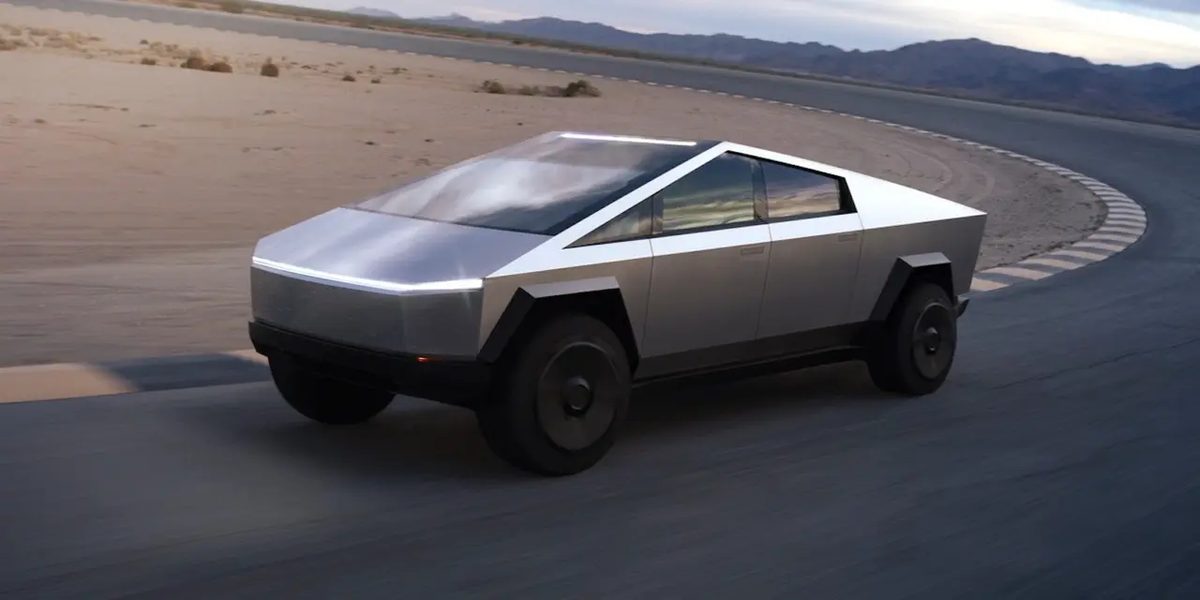
The Tesla Cybertruck is finally rolling off the production line in the U.S., with deliveries starting in November 2023. But for European drivers, electric pickup trucks may never leave showrooms. The reason is very simple. It’s too heavy.
European regulations limit the weight to 3,500 kilograms. Exceeding this threshold invalidates normal vehicle driving licenses (Class B driving licenses in France and Class B driving licenses in the rest of the EU). The Cybertruck does not just brush against this limit. It smashes through it.
The Weight Problem Killing European Sales
Information from the National Highway Traffic Safety Administration (NHTSA) paints a bleak picture of Tesla’s European ambitions. Cybertrucks weigh between 3.6 and 4.5 tons, depending on the interior and battery configuration.
This is not a close call.
In Europe, the eligibility limits for a Class B driver’s license end at 3,500 kilograms. Heavy vehicles require a heavy vehicle permit (category C). This is not a regular commuter license. It requires additional tests, medical examinations, and a business sense that most buyers don’t have.
“Unless Tesla produces a lighter version, it will be difficult to sell the Cybertruck in this configuration in France and the whole old continent.”
Can Tesla lighten the beast?
In theory, Tesla could adjust the design so that the weight remains below 3.5 tons. But physics and technology don’t care about regulatory limits.
To save weight, Tesla has to sacrifice battery capacity. The smaller the battery, the shorter the range. Cybertruck’s selling point is its combination of practicality and selection. When you delete cells, you also delete the value proposition.
One might wonder if Tesla could offer a “European” model. But if the US is the main target, there is no point in building another production line in the niche market. The margins of the extra light models are very thin. Otherwise, it’s a logistical nightmare.
Who can really drive?
If you have a Class C driver’s license, you can legally drive the Cybertruck in France. You can work in logistics or transport. You are not the target audience for a $100,000+ lifestyle pickup.
The average enthusiast looking to spend a weekend driving through the Alps or cruising the Champs-Elysées in a Cybertruck is out of it. Documentation alone can be a deterrent. The cost is another.
This is a structural barrier. This is not a marketing issue. It is a regulatory one.
What does this mean for the European market
Tesla has not officially announced a release date in Europe. This could be due to weight problems. Alternatively, the deal could be terminated, forcing Tesla to temporarily cease operations in the region altogether.
The US market is vast. This infrastructure supports large electric vehicles. Europe is fragmented. The rules are strict. The grid is different. The culture is different.
Is Cybertruck worth the trouble for European consumers? The answer seems to change from “yes” to “probably no”. The roadblocks are physical. And it’s heavy.
The future of trucks in Europe is at stake. A string made of batteries, steel and bureaucracy.
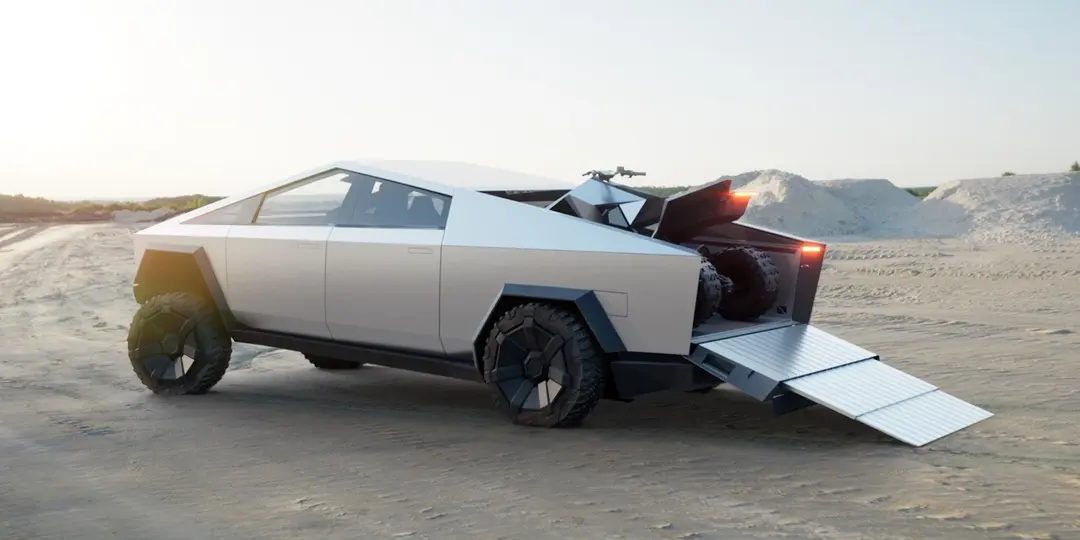
Why the Cybertruck’s stainless steel may be the reason for its failure
Remember Tesla’s Cybertruck? It’s a beast of a pick-up truck that has garnered a lot of attention since its debut in 2019, but it only recently made its way into the wild. We know the statistics. Accelerates from 0-100 km/h in 3 seconds. That’s incredible acceleration for a truck. The storage capacity is up to 2800 liters. The towing capacity is slightly more than 6 tons.
Next is construction. Unbreakable? That was the claim. The stainless steel exoskeleton is said to be able to shake off rocks and gunshots. Elon Musk even hinted that it could drive through water.
But has marketing gone too far?
The launch was difficult. In one demonstration, the Steel Balls broke two armored windows. Bad PR. What about the manufacturing process? A nightmare of complexity. New technologies are difficult to scale.
Elon Musk himself admits this.
“We dug our own grave with Cybertruck.”
Weight matters: not just metal
The key issue is not just design. It is the mass. Large trucks require a lot of energy to move. Cybertruck’s ultra-hard steel exoskeleton adds significant bulk. It’s not just about the weight of the vehicle. It’s all about efficiency.
Electric cars live or die by range and charging speed. The range of large electric vehicles is even worse. Thermal management limitations of large batteries result in slower charging. Cybertruck struggles on both fronts.
Tesla tried to solve this problem with the triangular shape. Less surface area is smaller. But aerodynamics is not the answer to a three-ton chassis. The result is a truck that looks fast but is slow in everyday driving.
Production hell and complicated manufacturing
Assembling this truck is different than building a Model 3. Stainless steel is difficult to work with. Different press machines. Various welding techniques. Supply chains are strained.
Tesla’s Texas Gigafactory was built for this purpose. But ramping up production of radically different vehicle takes time. Delays are inevitable. Cybertruck has become a symbol of Tesla’s growing pains.
Market position: niche or mainstream?
Who buys this? Its design is polarizing. The angular brutalist aesthetic is eye-catching. Some people like it. Most drivers find this strange.
For hobbyists, the specs are appealing. But what about families? Some people may be afraid when the riding position is high. The lack of comfort in a conventional cabin alienates others (for now). Tesla is betting on early adopters who want to stand out from the crowd.
Is it worth the wait? If you want a powerful truck with off-road capabilities, this probably is. If you want efficient daily transportation, look elsewhere. Cybertruck is above all a statement vehicle A functional tool second.
Future direction
Tesla continues to improve its production. Software updates are implemented. Improve your driving experience. But the initial stumble is still there. The window breakage incident. It’s heavy. high price tag.
Will it succeed? The demand is high. Pre-orders are massive. However, actual adoption is a different story. Owners report quirks. Maintenance costs are unknown.
The truck is here. The hype has cooled. Now it’s just a vehicle. A strange, heavy stainless steel vehicle. Its survival depends on Tesla being able to fix the bugs. Or if the “grave