Jaguar is nearing the finish line of one of its most ambitious transitions yet. After teasing the wild and futuristic Type 00 Concept, the brand is preparing to launch its flagship electric grand tourer (GT). However, as the September reveal approaches, a clear pattern is emerging: the production model will likely trade the concept’s aggressive, avant-garde styling for a more refined and practical design.
The Design Shift: Concept vs. Reality
While the Type 00 Concept was designed to shock the senses, recent sightings of heavily camouflaged prototypes and new digital renderings suggest a “softened” approach for the consumer version.
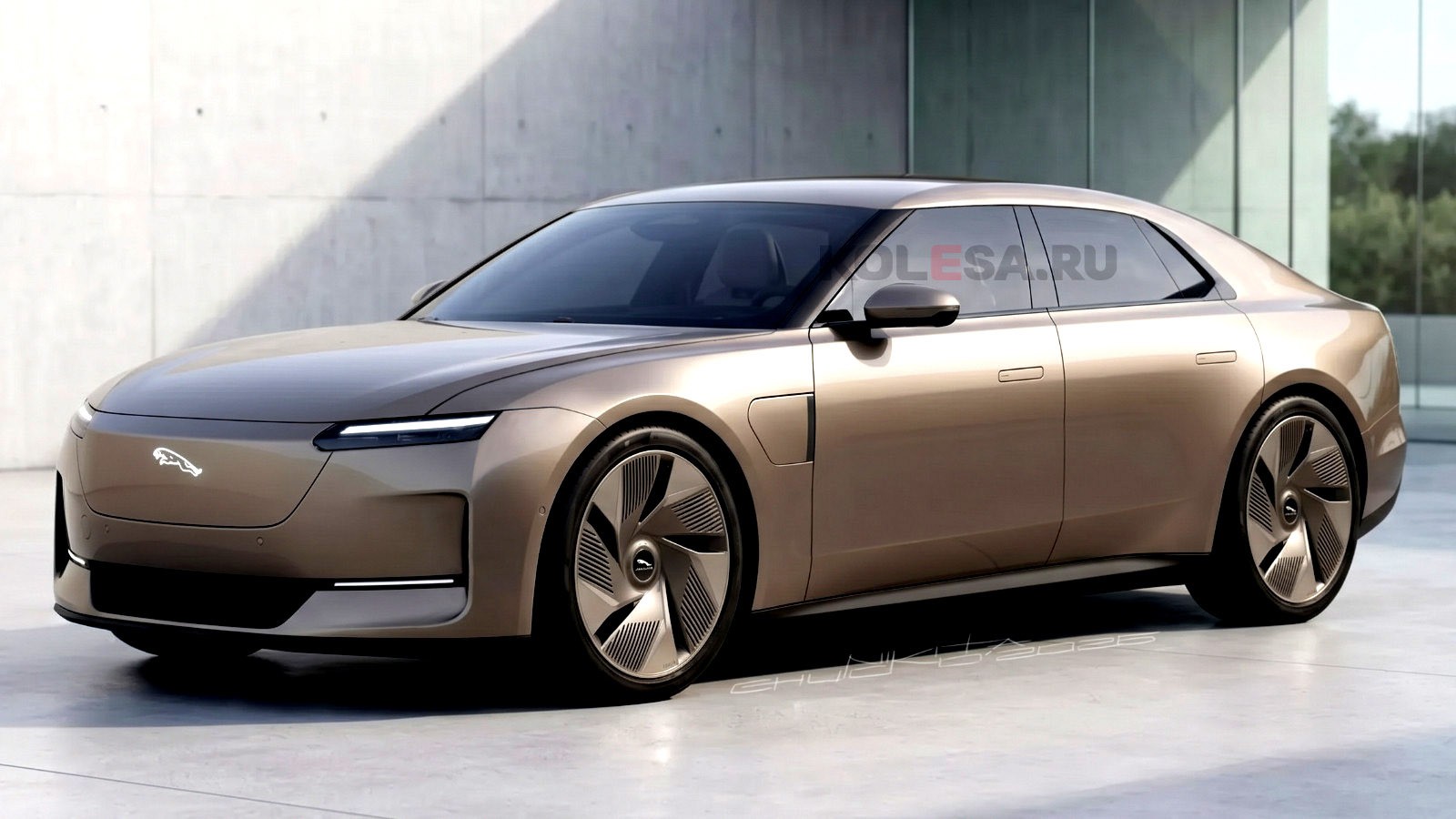
Recent renderings by Nikita Chuyko highlight several key departures from the concept:
- Front Fascia: The dramatic, experimental lighting of the Type 00 is being replaced by more conventional LED headlights and a cleaner nose. While the Jaguar badge may remain illuminated, the bumper design appears smoother and less aggressive.
- Side Profile: The sharp, razor-edged shoulder lines of the concept are giving way to more fluid, aerodynamic curves. Functional additions, such as pop-out door handles and charging flaps on the front quarter panels (reminiscent of a Porsche Taycan), indicate a focus on usability.
- Rear Aesthetics: A full-width LED lightbar is expected to span the rear. Interestingly, while current renderings show a traditional rear window, industry rumors suggest the production model might opt for a more radical, windowless rear design.
This shift reflects a common trend in the automotive industry: the “concept-to-production” compromise. Manufacturers use concepts to signal brand direction and excitement, but must eventually dial back the radical elements to ensure the vehicle is practical, aerodynamic, and manufacturable for a global market.
A Driver-Centric Interior
The interior of the new GT aims to blend retro-futurism with modern minimalism. Early glimpses reveal a “cocooned” driving position, characterized by:
* A high center console and low-slung, supportive seating.
* A minimalist dashboard featuring a curved digital screen and a digital gauge cluster.
* A distinctive, new steering wheel that draws inspiration from 1970s concept cars.
Performance and Technical Specifications
Despite the more restrained exterior, the Jaguar GT is being engineered to compete at the high end of the electric performance market.
Power and Range
The vehicle will be powered by a three-motor setup drawing from a massive 120 kWh battery pack. The expected performance figures include:
– Output: Over 986 hp and 1,300 Nm of torque.
– Acceleration: 0–62 mph (100 km/h) in approximately three seconds.
– Top Speed: 155 mph (250 km/h).
– Range: An estimated 435 miles (700 km) on the WLTP cycle.
Charging Capabilities
To mitigate the weight of the large battery—which could reach up to 2,700 kg—Jaguar is prioritizing ultra-fast charging. With a 350kW peak charging rate, drivers should be able to add 200 miles (322 km) of range in just 15 minutes.
Market Positioning
The Jaguar GT is positioned as a premium luxury performer. With an expected starting price of approximately $160,000 and a scheduled market entry in 2027, Jaguar is targeting buyers who seek a blend of high-performance electric driving and sophisticated, long-distance touring capabilities.
As Jaguar moves away from its traditional internal combustion roots, this GT serves as a litmus test for whether the brand can maintain its “grace and pace” identity in a purely electric era.
Conclusion
The upcoming Jaguar GT represents a calculated balance between the radical vision of the Type 00 Concept and the practical demands of a luxury electric sedan. If Jaguar can successfully marry its high-performance DNA with rapid-charging technology, it may well redefine its place in the competitive premium EV market.