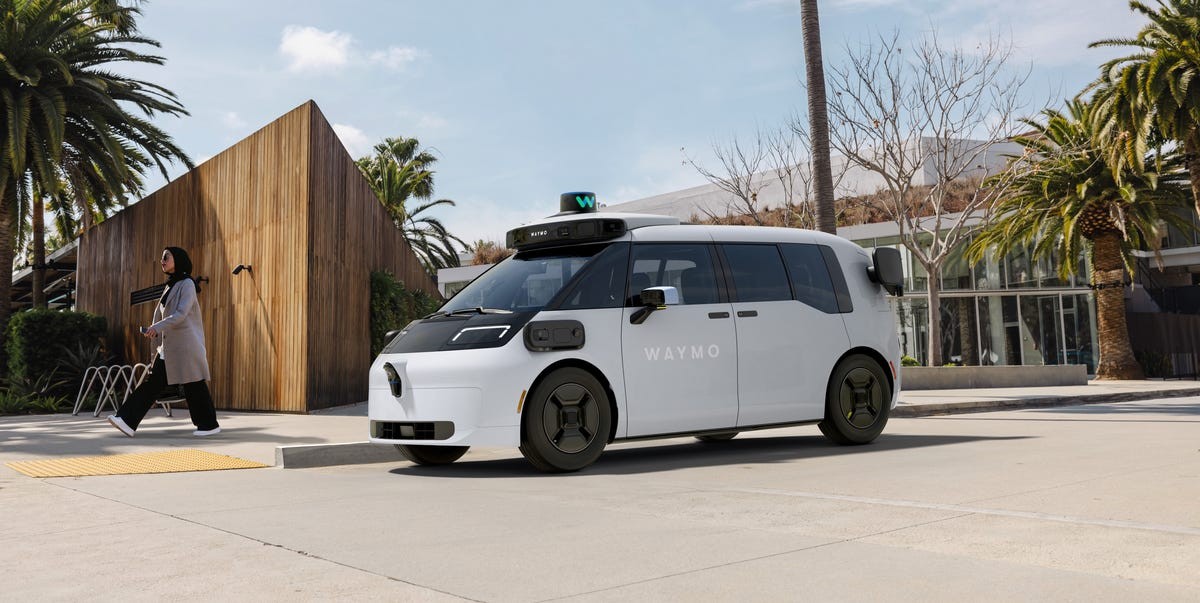
In a move that turns autonomous driving technology into a public service, Waymo is partnering with the navigation app Waze to help cities identify and repair damaged roads. By leveraging the sophisticated sensors already present in its robotaxi fleet, Waymo aims to provide municipalities with a real-time map of potholes, transforming its vehicles into mobile road-maintenance inspectors.
A Synergistic Approach to Urban Maintenance
Both Waymo and Waze are subsidiaries of Alphabet, Google’s parent company. This partnership allows for a seamless integration of data between the two platforms to solve a common urban headache: deteriorating infrastructure.
The pilot program functions through a dual-layer data loop:
– Waymo to Cities: Data collected by Waymo’s autonomous vehicles will be shared for free with local Departments of Transportation (DoTs) via the Waze for Cities software.
– Waze to Users: The identified potholes will also appear on the Waze app, allowing drivers to see road hazards in real-time.
– Crowdsourced Verification: Waze users can report potholes they encounter, which helps verify the accuracy of the data detected by Waymo’s sensors.
Bridging the Infrastructure Gap
The initiative addresses a significant logistical challenge for modern cities. Currently, many municipal governments rely on two primary—and often inefficient—methods to track road damage:
1. Manual Inspections: City workers physically driving through streets to spot cracks and holes.
2. 311 Reports: Relying on citizens to call or message local services to report issues.
Both methods are reactive and prone to delays. By the time a pothole is reported and dispatched for repair, it may have already caused vehicle damage or created a safety hazard. Waymo’s automated detection offers a proactive alternative, using high-resolution cameras and object-detection technology to catch road degradation much earlier in the process.
Pilot Program Rollout and Early Results
The program is currently in its pilot phase and is being deployed across five major metropolitan areas:
* San Francisco
* Los Angeles
* Phoenix
* Austin
* Atlanta
Early results indicate the technology is already proving its worth; the pilot has reportedly identified approximately 500 potholes across these five regions.
Local leaders have expressed optimism about the integration of autonomous technology into city management. San Jose Mayor Matt Mahan noted that such collaborations allow cities to respond to infrastructure issues “more efficiently” by utilizing the advanced object-detection capabilities already moving through their streets.
Why This Matters
This partnership represents a shift in how autonomous vehicle companies interact with the urban environments they inhabit. Rather than being viewed merely as “users” of the road, robotaxi fleets are becoming active contributors to city maintenance. If successful, this model could provide a scalable, low-cost way for cities to maintain infrastructure without the need for massive increases in manual inspection budgets.
By turning autonomous fleets into data-gathering tools, cities can transition from reactive repairs to predictive maintenance, potentially saving millions in road damage and vehicle repair costs.
Conclusion
Through this collaboration, Waymo and Waze are creating a high-tech feedback loop that helps cities fix roads faster. This pilot marks a significant step in using autonomous technology to solve practical, everyday problems in urban infrastructure management.