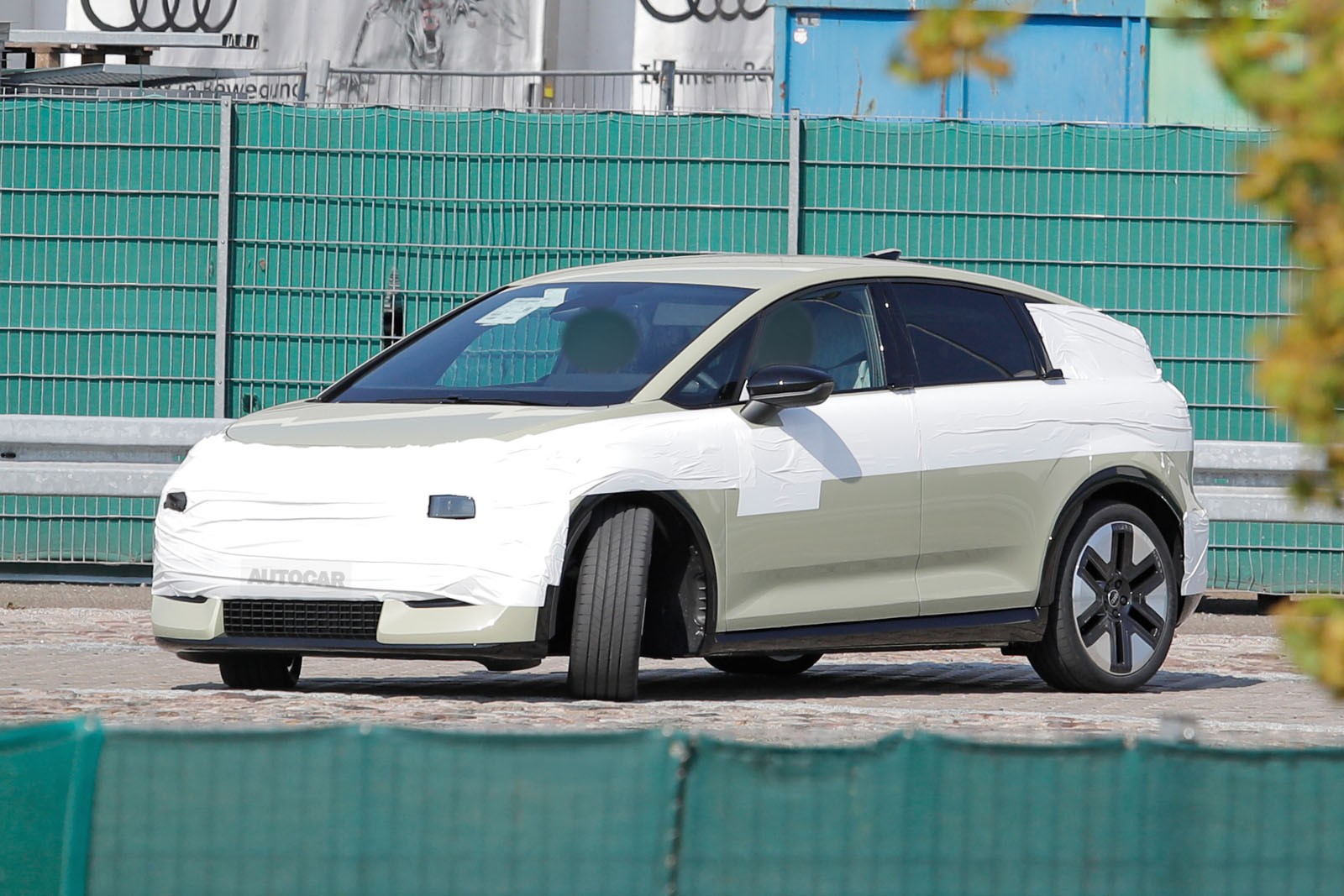
The camo is off. Or at least, half of it is.
Audi has finally let the new A2 out of the shed. The prototype looks shockingly like the original 1999 supermini. Not a copy. A spiritual successor. With an autumn reveal on the horizon, the German automaker is reviving a name that hasn’t seen a production car since the Y2K era.
It’s an electric crossover. Small. Sharp. And apparently, very intentional.
Design: Lozenges and Tapers
Forget the brutalist slopes of modern EVs. The new A2 brings back the lozenge roofline. You know the one. Those rounded, pill-shaped curves that defined the original A2. It’s sleek. It’s aerodynamic. It’s a stark contrast to the boxy Q-series SUVs cluttering Audi dealerships.
The tapered rear flanks are there too. A nod to the past, packaged in contemporary EV styling.
Why does this matter? Because design language signals intent. Audi isn’t just slapping a badge on a VW. They are signaling a return to compact, efficient personal mobility. The silhouette is unmistakable.
Price and Positioning: The £30k Target
Here is the financial reality check.
The new A2 will sit at the bottom of the Audi EV lineup. It replaces the gap left by the soon-to-be-killed A1 and Q2. Pricing is tipped to start under £30,000 ($35,000 approx.).
That’s aggressive. That’s entry-level.
Gernot Döllner, CEO, was blunt about it at the March media conference. The strategy is simple: make electric Audis accessible. “We’ve listened,” he said. “Our customers want electric mobility that impresses in every day life.”
Translation: Stop charging £60k for basic transport. Make the entry point viable for real people. The A2 E-tron is that promise. Efficient. Compact. Confident.
It will be positioned below all other electric Audis. Currently, the entry price for an EV Audi is significantly higher. This shifts the goalposts.
Platform: The VW Connection
Let’s get technical.
The A2 is built on the MEB platform. Yes, that’s the same underpinnings used in the Volkswagen ID.3 hatchback. Don’t be fooled by the shared bones, though. This isn’t a rebadged Golf.
The MEB platform allows for a skateboard-style battery layout. This means more interior space than you’d expect from an exterior footprint that’s comparable to the ID.3. Audi calls it “compact on the outside, spacious on the inside.” It’s a hallmark of modern EV packaging.
Where is it built? Ingolstadt. Audi’s headquarters. This keeps production central and tight. Quality control remains firmly in-house.
Why Revive a 25-Year-Old Name?
The original A2 was a lightweight aluminium oddity. Ahead of its time. Terrible sales. Buried.
But the idea survived. Efficiency. Small footprint. Urban usability.
Today’s market is saturated with mid-sized SUVs. Drivers are bored. The A-segment is crowded but underserved by premium brands. The new A2 fills that void. It’s not trying to be a luxury sedan. It’s trying to be the best small city car you can buy.
“It’s a highly efficient entry-level car… positioned within the core of the A-segiment.” – Gernot Döllner
The A1 dies. The Q2 goes. The A2 arrives to take their place in spirit if not in direct lineage.
The Real Question
Is a £30,000 electric compact Audi enough to save the brand’s mass-market appeal? Or