Electric vehicles are silent. This is the one universal truth of zero-emission driving. Rolls-Royce knows this well. The Spectre interior is so quiet that the only auditory landmark left is the digital clock ticking away. For Rolls, silence is luxury. But Bentley operates under different rules. A Bentley isn’t just a vehicle. It is an institution built on speed, heritage, and the visceral thump of internal combustion.
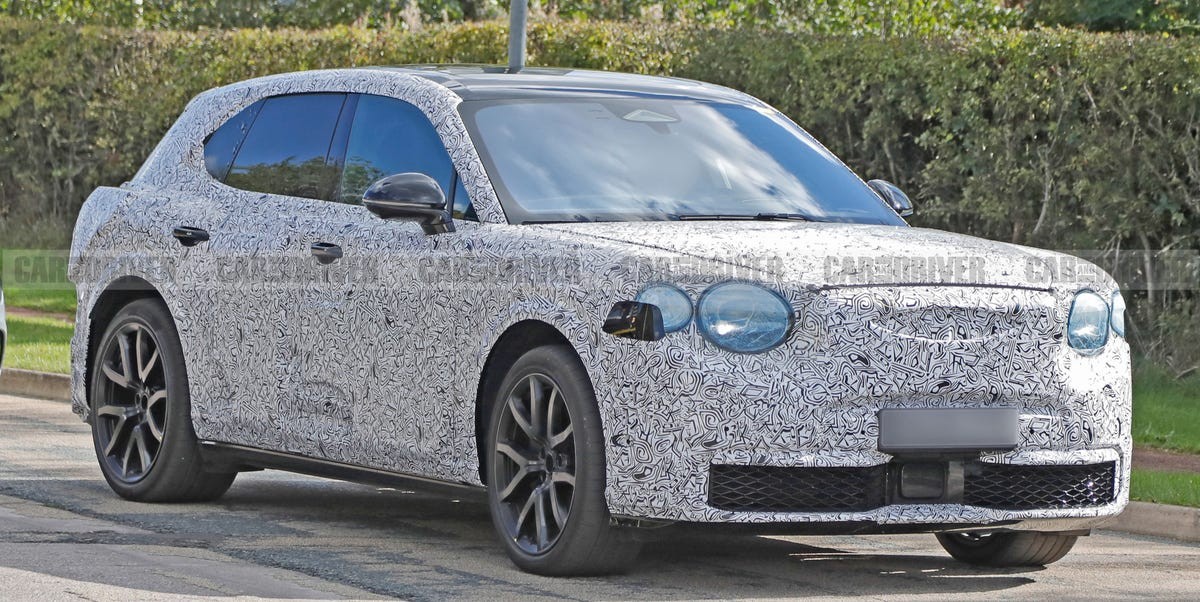
To bridge this gap, Bentley is introducing a radical acoustic identity for its upcoming electric crossover. The all-electric Bentley Torcal doesn’t simulate V12s with synthesized pops or mimic the artificial whine of a Hyundai Ioniq 5 N. Instead, it sounds like a drummer losing his mind.
The Rhythm of the Past
When engineers began designing the sound for the new EV lineup, they faced a specific paradox. Modern EVs make no noise naturally. This leaves the brand voice completely blank. Rolls-Royce fills it with peace. Bentley filled it with percussion.
The design team didn’t start with a digital synth. They went to the archive. They pulled out the sonic DNA of three legendary Bentley powerplants.
First, they studied the straight-six engines of the 1930s. These weren’t just motors. They were thunderclaps.
Second, they analyzed the rumble of the V8s. Specifically, the deep, four-stroke pulse that characterized engines like the famous six-and-three-quarters liter V-12 predecessors.
Third, they looked at the complex harmonic chaos of the W-12 engine.
The goal was not to copy. The goal was to find the common thread. What emerged was startling. The rhythmic expulsion of exhaust in an inline-six, the heavy thud of a V8 at idle, and the high-speed chug of a W-12 all shared a single mechanical characteristic.
They hit with a distinct percussive strike.
A stick hits a drum skin. An explosion hits an exhaust pipe. The physics are almost identical.
Bentley’s audio engineers isolated that specific low-end thump. They built the acceleration soundtrack around a forward-moving drum track. It mimics the energy of a human playing a kit. Not a rigid loop. Not a perfectly quantized loop like a Roland TR-808 machine would produce. Real, messy, human imperfection.
Why Imperfection Matters
There is a growing trend in luxury automotive sound design to introduce subtle irregularities. If a sound is too perfect, it feels cold. Digital. Fake.
By adding a slight, imperceptible “stumble” to the audio profile, Bentley aims to trick the brain into feeling a connection to the past. It feels alive because it breathes. It has rhythm.
This is distinct from how competitors like Hyundai or Porsche are handling electric sounds. The Ioniq 5 N uses the N Soundshift system to mimic the backfire and turbo flutter of a turbocharged hot hatch. It’s fun, but it’s clearly an imitation.
The Torcal goes further upmarket. The base rhythm is the bass drum and kick. Overlaid on top is a frisson of orchestral string instruments. The idea is to create a fuller, more complex soundscape that feels expensive. It moves away from pure rock ‘n’ roll grit toward something that suggests a symphony hall mixed with a drum line.
The Luxury Differentiator
You might argue that EVs should just be silent. After all, who needs noise inside a $250,000+ luxury car? Many wealthy buyers would prefer to listen to a recording of Yo-Y Ma playing Bach in a whisper-quiet cabin. Silence implies space. Silence implies status.
However, as the market for EVs floods, silence is becoming common. Toyota makes silent EVs. Tesla makes silent EVs. A luxury brand cannot differentiate itself solely by being quiet.
In a world where leather grain and wood veneers can be sourced by any high-end coachbuilder, auditory identity becomes the last frontier of exclusivity. How the car feels through the ears is becoming just as important as how it feels through the hands.
Bentley is betting that customers want a character. They don’t want a silent capsule. They want an experience that demands attention.
A Sonic Heritage, Electrically Charged
This isn’t the first time automotive noise has collided with pop culture and high-end luxury.
Brian Johnson of AC/DC is a noted Bentley collector. He owns a 1924 12/50, and while his famous album The Razor’s Edge isn’t directly related, his connection to rock and his collection of Bentleys highlights a long-standing link between the brand and a certain brand of rock energy.
Imagine pressing the accelerator in a Torcal. The drums kick in. The strings swell.
Could it actually sound like Brian Johnson shouting “Thunderstruck!” from the speakers? No. Bentley didn’t go that far. The sound is subtle, orchestrated, and carefully calibrated to sound like acceleration, not a guitar riff.
But the intent is there. Bentley is trying to take the chaotic energy of a drum kit, filter it through Swiss precision, and make it palatable for a buyer who likely values discretion over decibels. It is a strange synthesis. Ancient engine physics meets modern electric motor response, translated into rhythm.
Will it work? Most traditionalists are skeptical of EV noise. They view it as a gimmick. But the Torcal isn’t trying to fake a V12. It’s creating something new. It is acknowledging that the past is gone. And rather than pretending otherwise, Bentley is choosing to march to its own beat.
The Torcal debuts in September. We won’t know the full impact of the soundtrack until we sit in the driver’s seat. Until then, all we can do is listen.