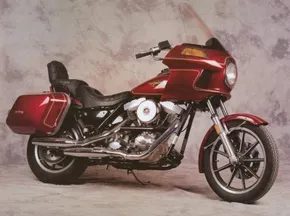
The 1984 Harley-Davidson FXRT didn’t arrive as a revolution. It arrived as an evolution, built directly on the foundation of the FXR model that had changed the game just two years prior.
When the FXR first hit the streets in 1982, it was hailed as a landmark motorcycle for Harley-Davidson. It shed the heavy, rubber-mounted frame of its predecessors for a rigid, steel backbone that improved handling and performance. This shift caught the attention of enthusiasts who had been waiting for a true sportster with genuine handling characteristics.
The FXRT took that successful FXR platform and added a fairing. This wasn’t just an aesthetic choice. It was a practical move toward touring comfort without sacrificing the sporty edge that made the FXR special. The fairing provided wind protection for long rides while maintaining the aggressive stance that defined the FXR lineage.
For riders looking for a motorcycle that balanced performance with touring capability, the FXRT offered a compelling option. It leveraged the proven FXR chassis and engine configuration, adding features that extended its usability beyond just backroad carving. This approach allowed Harley-Davidson to capitalize on the FXR’s success while addressing the needs of riders who wanted more than just a corner-carver.
The result was a motorcycle that respected its heritage while pushing into new territory. It was a testament to Harley-Davidson’s ability to iterate on a successful design rather than starting from scratch each time. The FXRT stood as a bridge between the pure sportiness of the FXR and the practical demands of longer-distance riding.
Handling breakthroughs and refined cruising
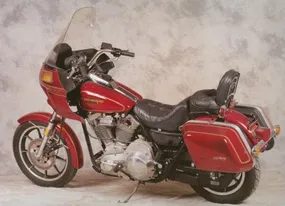
The chassis finally caught up to the engine’s potential. By stiffening the frame and swapping in Sportster-style forks, Harley-Davidson delivered a Big Twin that actually leaned into corners. Previous models just wallowed. This new setup offered handling that felt sharper, more responsive, and genuinely safer than anything the brand had produced before.
On the straightaways, the experience changed just as dramatically. Rubber engine mounts absorbed the vibration that used to rattle your teeth. Combined with a five-speed transmission, the ride became noticeably smoother and quieter. You could cruise for hours without the fatigue that typically followed a day on the road. It wasn’t just about comfort; it was about control. The bike stopped feeling like a heavy tank and started feeling like a machine.
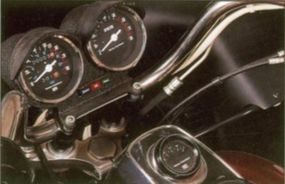
The 1984 model year was significant because it was one of the select group of FXRTs to receive the updated Evolution V2 motor. This wasn’t just a minor tweak. It was a serious upgrade that sharpened the bike’s touring credentials. The new engine improved reliability and gave the FXRT the kind of low-end torque riders needed for long hauls. It turned a sporty cruiser into a more capable long-distance machine without losing its edge.
The Evolution of the FXRT
For those digging into the history, the FXRT stands out as a unique blend of sport and tour. It was Harley-Davidson’s answer to the growing demand for a bike that could handle both highways and twisties. The Evolution engine played a huge role in this. It replaced the older Shovelhead and the initial Evolution variants, offering better cooling and a more robust design.
If you want to understand the broader context, exploring resources on Harley-Davidson motorcycles and classic motorcycles provides a deeper look into this era. Understanding how Harley-Davidson works and the mechanics behind how motorcycles work helps explain why the FXRT was such an important part of their lineup. For enthusiasts of custom builds, checking out chopper profiles and how choppers work offers a nice contrast to the FXRT’s more refined, factory-built nature.