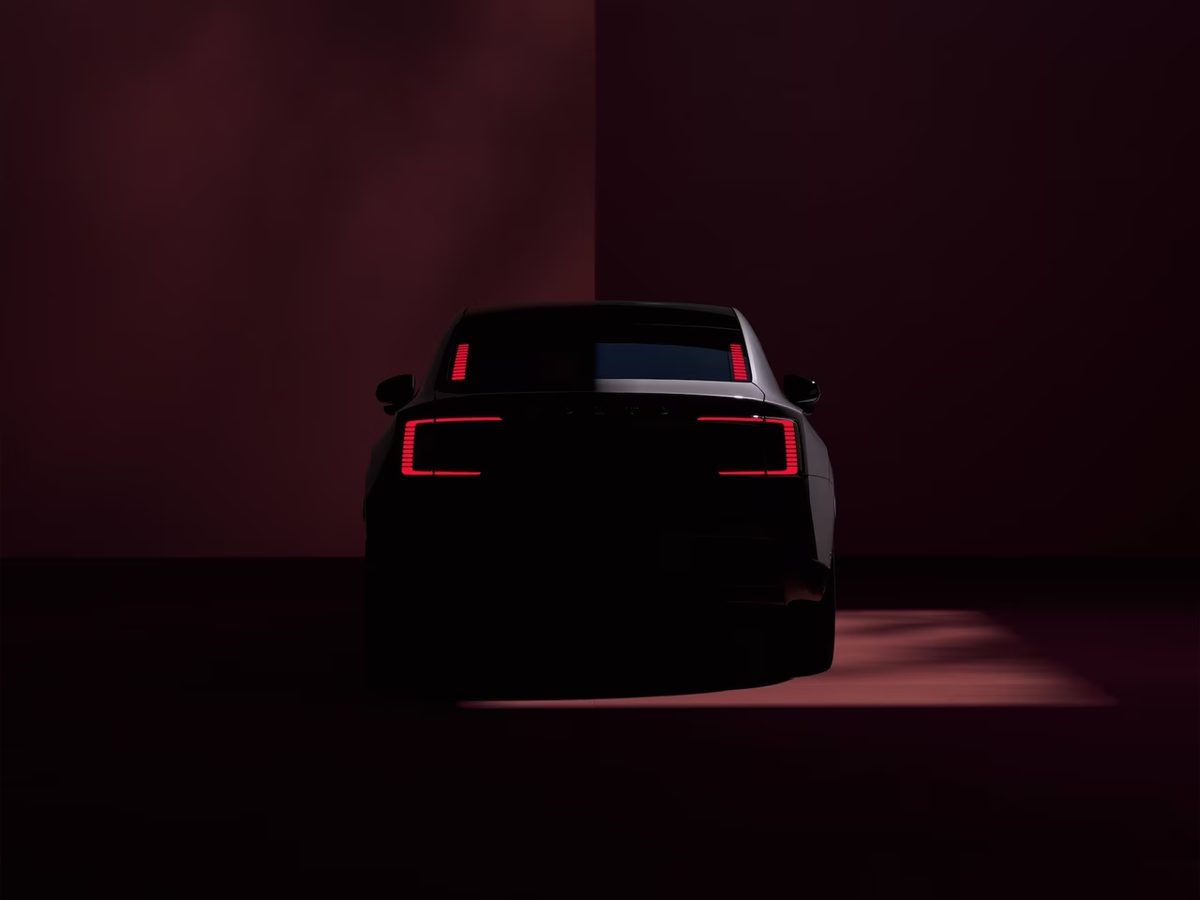
Volvo is finally stepping out of its safety-box comfort zone with the ES90. This isn’t just another electric sedan trying to catch up. It’s a direct shot across the bow aimed at the established German premium trio: Mercedes, BMW, and Audi. The Swedish automaker is betting big that this fully electric flagship will position its brand firmly in that upper echelon of luxury performance and technology.
The headline number is 700 kilometers of range. That figure comes from the WLTP cycle, which is the standard metric used across Europe. It’s not a theoretical number pulled from thin air. It’s grounded in the reality of how these cars are tested. But range is only half the story. The real innovation here is the electrical architecture.
For the first time in Volvo’s history, the ES90 uses an 800-volt system. Most current EVs run on 400-volt platforms. The jump to 800 volts changes the physics of charging. It allows for higher power delivery without overheating components. This isn’t just about going further. It’s about wasting less time plugged in.
Charging speed and thermal management
Charging times are where the 800-volt architecture proves its worth. Volvo claims you can add 300 kilometers of range in just 10 minutes. This assumes you’re plugged into a high-speed charger capable of delivering 350 kW. Most public stations top out lower, so this speed requires specific infrastructure. But for those who have access to ultra-fast charging hubs, the gap between gas and electric fills significantly narrows.
The hardware enabling this speed is sophisticated. Volvo has integrated lighter, more efficient motors. Heavier parts kill range. Lighter parts preserve it. But motors don’t just run hot; they need cooling. The ES90 features an optimized thermal management system. It keeps the battery and motors at optimal temperatures regardless of external conditions or charging pace.
Software plays an equal role. Volvo developed an internal battery management system specifically for this car. The result? A 10% to 80% charge time reduced by 30%. That translates to roughly 20 minutes. The industry average for similar capacity batteries often lingers closer to 30-40 minutes under real-world conditions. Getting that down to 20 minutes is a tangible improvement for daily usability.
Why does this matter? Because range anxiety isn’t just about distance. It’s about unpredictability. If you know you can add 300km in the time it takes to grab coffee and stretch your legs, the anxiety dissipates. The ES90 is built to match the convenience expectations of drivers used to premium combustion engines.
The architecture is a first for Volvo. Previous models struggled with charging speeds that felt sluggish compared to rivals. The ES90 aims to erase that stigma. It’s not just an electric car. It’s a statement that Swedish engineering can compete with the best in class on pure performance metrics.
Whether the interior and driving dynamics match these specs remains to be seen. But on paper, the ES90 has cleared the biggest hurdle for any new EV entrant. It offers range that competes with long-haul gas sedans and charging speeds that rival the fastest charg
Tesla’s sales are taking a hit. The market is shifting. And Volvo is stepping into the vacuum with the ES90.
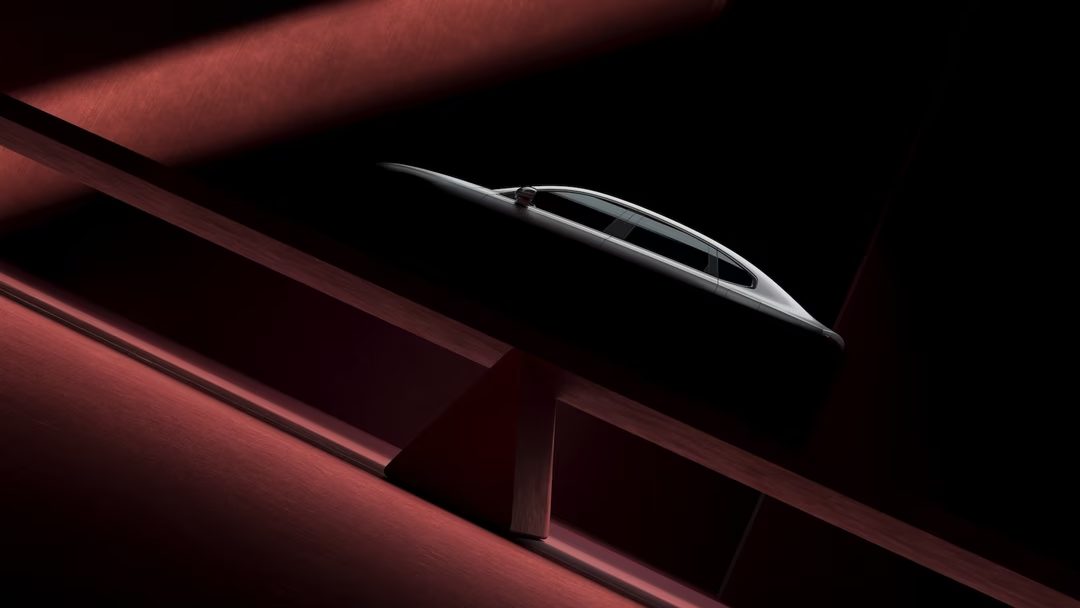
While everyone else is obsessing over high-riding SUVs, Volvo is doubling down on the sedan. It’s a calculated risk. A move that signals confidence in the brand’s heritage and a clear understanding of what a specific demographic still wants. They want elegance. They want tech. They want something that doesn’t look like a rolling box.
The ES90 isn’t just a rebadged XC90 with a lower roofline. It’s a dedicated electric platform. And at over five meters long, it’s substantial.
Space, Aerodynamics, and Efficiency
Length matters in this segment. It’s not just about making a statement. It’s about physics. The ES90’s length contributes to a generous interior footprint. Rear passengers get a treat. Legroom is abundant. The design team didn’t just stretch the body; they optimized the shape.
Aerodynamics play a huge role in EV efficiency. The ES90’s sleek profile isn’t just for show. It reduces drag. Less drag means less energy wasted fighting the air. That translates directly to range.
The ES90 combines premium materials with cutting-edge EV tech to create a cohesive driving experience that feels both luxurious and efficient.
Volvo has always prioritized safety and comfort. The ES90 continues that tradition. But it’s also pushing boundaries. The battery technology is advanced. The software is integrated. It’s not an afterthought.
A Strategic Counter-Move
This launch is significant. It marks a major step in Volvo’s electrification strategy. But it also serves a defensive purpose. The premium sedan market is shrinking, yet still profitable. Tesla used to own it. Now, they’re faltering.
Competitors are circling. Mercedes, BMW, Audi—they’re all scrambling. Volvo sees an opening. The ES90 is positioned to catch the buyers who want a true luxury sedan but are wary of the brand fatigue setting in elsewhere.
It’s not just about having a car. It’s about offering an alternative. One that emphasizes design over sheer utility. One that respects the driver.
The Real Competition
Who is the ES90 really fighting?
- Tesla Model S: The aging king. Great tech, but the interior feels dated.
- Mercedes EQS: Luxurious, but bulky and expensive.
- BMW i7: Powerful, but heavy and complex.
The ES90 aims to sit in the sweet spot. Premium without being ostentatious. Tech-forward without being gimmicky.
Volvo knows that not everyone needs a SUV. Some people still value the low center of gravity. The connected feel. The traditional driving dynamics. The ES90 delivers that.
Why This Matters
The electric transition is messy. Everyone is trying to figure it out. Some brands are betting on crossovers because they’re easier to sell. Others are sticking to sedans because they’re harder to copy.
Volvo chose the harder path. And in doing so, they might have found a niche that others ignored.
The ES90 isn’t just a car. It’s a statement. That sedans aren’t dead. That premium buyers still care about design. That efficiency