Old-school cars were simple. You flipped a switch, and a single wire carried the current to the light or motor. It worked. Until it didn’t. As drivers demanded more buttons, screens, and power accessories, that one-to-one wiring scheme became a physical nightmare. You cannot run a thick bundle of individual cables through every door panel without ruining the structure or adding hundreds of pounds of dead weight.
Enter multiplexing.
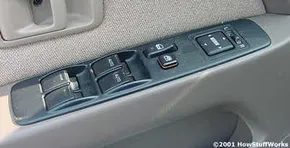
It is the only way to keep modern automotive electronics from turning into a tangled mess. Instead of dedicated wires for every single function, a multiplexed system uses a microprocessor-based module to manage inputs and outputs for a specific zone. Think of the driver’s door. It might house controls for windows, mirrors, locks, and even seat memory.
In a traditional setup, you would need separate, heavy-gauge wires running from every single switch back to the battery or fuse box, then out to the actuators. In a multiplexed architecture, all those switches feed into a single door control module.
The module does the heavy lifting. When you press the window button, the module closes a local relay to power the motor directly. It handles the immediate current draw. But when you adjust the passenger-side mirror? The driver’s door module doesn’t send power across the car. It generates a digital data packet.
This packet travels over the vehicle’s communication bus—usually just two wires. The message is broadcast, and the relevant module on the passenger door receives it, energizing the appropriate motor. Most signals leaving the door are consolidated onto that bus, drastically reducing the copper required.
This shift isn’t just about saving space. It is about managing complexity. New safety systems, like stability control or automatic emergency braking, rely heavily on data processing. They require their own microprocessors to interpret sensor inputs in real-time. As we will see in the next section, the proliferation of these chips is changing how cars think, not just how they are wired.