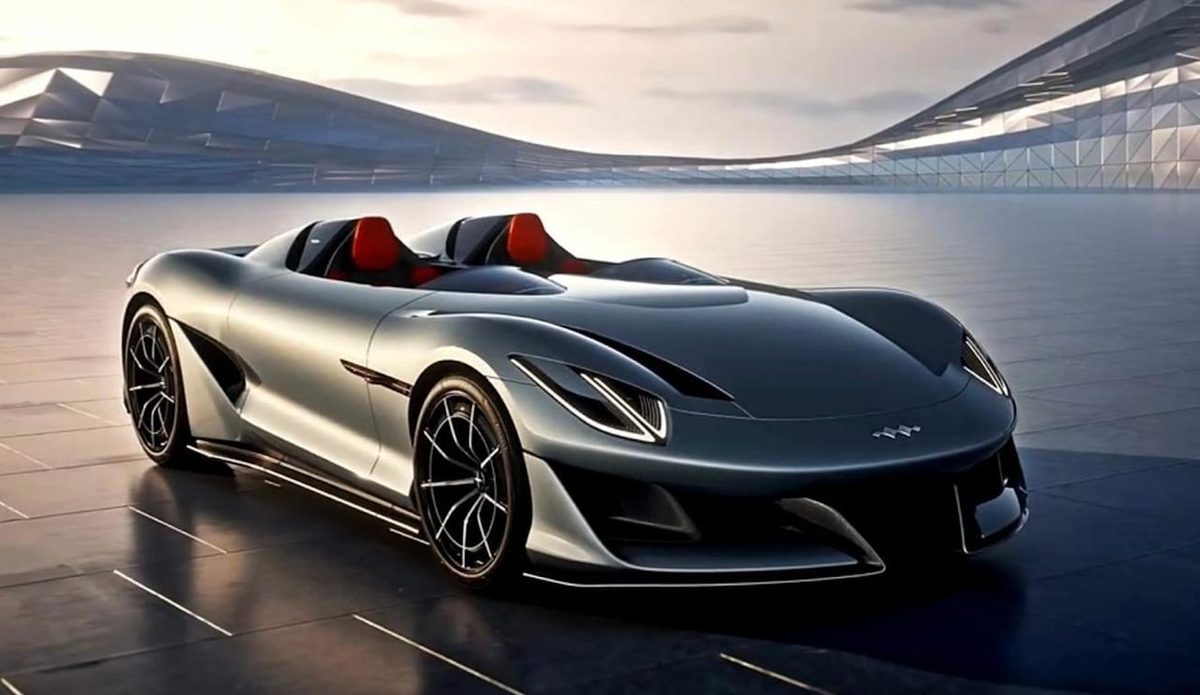
It is audacious. It is exuberant. It is absolutely sensational. The new Super 9 concept from BYD’s performance division has an allure you can’t ignore. Strip away the windshield and the roof, and you are left with a two-seater that looks less like a daily driver and more like a stripped-down race barquette. Think McLaren vibes, or perhaps a modernized echo of the Porsche 356 Speedster James Dean loved. Except this machine is 100% electric, built in China, and ready to challenge the hypercar status quo.
The Super 9 carries the badge of Fang Cheng Bao. If the name sounds unfamiliar, that is normal. This is BYD’s high-end luxury sub-brand. And BYD is not playing games. The company currently holds the title of the world’s largest automaker by volume, largely driven by its massive domestic market and dominance in electric vehicles. Entering the exclusive, low-volume hypercar segment is a bold move for an industrial giant, but it signals a serious intent to shed the “budget EV” image.
A Cockpit Without Compromise
This is not a static display piece destined for a museum. Reports indicate the Super 9 is on a track toward mass production. The layout is intensely driver-focused. It is a strict two-seater, with cockpits separated by a structural carbon fiber bridge that also houses the integrated seats. The doors open upward in a butterfly configuration, harking back to the supercar golden age.
Inside, the lack of a traditional windshield creates a raw, open-air experience. The interior resembles a fighter jet cockpit, centered around a modern Formula 1-style steering wheel. Most controls are mounted directly on that wheel. There are a few buttons on the center console, but the vibe is minimalist. A small, fixed glass blade sits above the steering wheel, acting as a wind deflector to keep your hair from becoming a static hazard at speed. The rest of the dashboard is a slim digital display showing only essential telemetry.
Weight, Chassis, and the Battery Problem
Every gram matters when you are building a hypercar. The chassis is constructed entirely from carbon fiber to shed weight. However, this is still an electric vehicle. That means it carries a heavy battery pack. Batteries are dense. They sit low in the chassis, which helps with the center of gravity, but they also add mass that can sap agility. How BYD’s engineers balance the power-to-weight ratio remains the biggest unknown.
Specs are scarce. We know Fang Cheng Bao has previously focused on premium electric SUVs. The Super 9, which will be sold under the name Bao 9, sits in a completely different category. It is a halo car designed to showcase technology and design language. Expect more vehicles in this performance tier to follow, as BYD leverages its manufacturing scale to disrupt the hypercar market.
Why This Matters for EV Enthusiasts
Most electric cars prioritize efficiency and range. This car prioritizes emotion. By removing the roof and windshield, BYD is embracing the purest form of driving sensation. It is risky. It is impractical for rain. But for the enthusiast, it is a glimpse of where internal combustion exclusivity used to live, now translated into electric power.
The question is no longer if BYD can build an electric car. They sell millions of them. The question is whether they can replicate the soul of a Porsche 918 or a McLaren P1 using silicon and lithium. The Super 9 suggests they are trying. The market for hypercars is tiny, but the influence of this brand is not. If the Bao 9 delivers on performance despite the