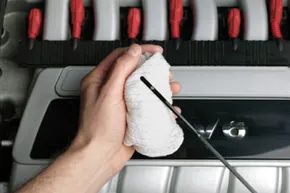
Let’s cut through the noise. You can absolutely switch to synthetic oil. Your engine won’t explode. The sky won’t fall. But before you just buy the expensive jug and pour it in, you need to understand why this question keeps coming up. It’s not just marketing hype. It’s a genuine point of confusion for a lot of drivers.
First, let’s look at the chemistry. The real workhorse is the base oil. Synthetic base oils are lab-created. They don’t come from refining crude oil pumped straight out of the ground like traditional mineral oils. Synthetic blends also include performance additives in powder form and a carrier oil to keep everything suspended.
What’s the practical difference? If you put two puddles next to each other—one synthetic, one mineral—they look identical. Kevin Chinn, a technical advisor at ExxonMobil, puts it bluntly. “You’d slip on both of them,” he says. The visual difference is zero. The performance difference is massive.
Synthetic oil’s molecular structure stays stable under extreme temperatures. Mineral oils break down faster when it gets hot or cold. This stability means you can extend your maintenance interval. Longer changes. Better protection.
So why doesn’t everyone just switch? There are myths. There are realities. Let’s bust them.
Myths about Synthetic Oils

Debunking the Synthetic Seal Leak Myth
The persistent rumor that switching to synthetic lubricant destroys engine gaskets is largely false. Early formulations did pose risks. Esters found in first-generation synthetics were harsh on neoprene seals. But modern chemistry has evolved significantly since the 1970s. Today’s synthetic blends are far gentler on delicate components.
That doesn’t mean you’re immune to leaks. Synthetics are thinner at a molecular level. They slip through cracks that conventional oil cannot. If a seal is marginal, synthetic fluid will find it. The oil also cleans deposits. That’s generally good for engine health. But those deposits might be plugging small gaps in aging seals. Removing that grime can expose existing weaknesses. The result isn’t a leak caused by the oil. It’s a leak revealed by it.
Switching Without Worry
Another common belief suggests that once you start with conventional oil, you can’t go synthetic. That’s not true. As long as the seals are in decent shape, you can switch back and forth freely.
You don’t need to stick to one type. Mixing synthetic and conventional oils is fine. So is switching mid-life. You could run conventional oil for 3,000 miles. Then switch to synthetic for the next 5,000.
David Canitz, technical services manager at Royal Purple, confirms the flexibility. He notes that even mixing five different oils from five different manufacturers is harmless. As long as they share the same viscosity weight, the engine won’t suffer.
The Reality of Making the Switch
So what actually happens when you make the jump? The transition is straightforward. You aren’t risking your engine’s health by swapping fluids. The concerns about seal compatibility are largely historical. Modern lubricants are designed to protect, not destroy.
If your engine is in good shape, the switch is safe. The oil will clean internal components. It will also expose any pre-existing weak points. That’s not a flaw in the oil. It’s a feature. You’ll know sooner if there’s an issue.
“As long as they’re the same weight, it will do your engine no harm.”
This clarity allows for experimentation. You can try different brands. You can blend types. The engine cares about viscosity and basic additive packages. It doesn’t care about the marketing on the bottle.
But there’s a catch. Not all vehicles are created equal. Some older high-mileage engines might have seals that are too worn to handle the thinner synthetic fluid. In those cases, switching could lead to immediate drips. That’s why condition matters more than brand loyalty.
Still, the barrier to entry is low. You don’t need a special flush. You don’t need to wait for a specific season. The myths keep people away from better lubrication. The reality is much simpler. Check your seals. Pick the right weight. Fill it up. The rest is just driving.
And if a drop appears on your driveway after the switch? Don’t panic. It might just be the oil doing its job. Cleaning. Finding. Exposing.
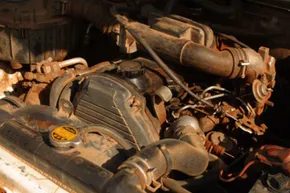
The price tag for full-synthetic motor oil is steep. You are looking at a six to ten times premium over traditional mineral oils. That is the baseline reality according to David Canitz at Royal Purple. The cost comes from the lab-created formulation and the heavy additive packages designed to keep engines running clean.
But you don’t have to drain your wallet to get synthetic benefits.
Seasonal Switching Strategy
If your location sees drastic seasonal shifts, consider a hybrid approach. Use synthetic oil in the winter. Cold starts are the most stressful time for an engine. Synthetic fluid flows better at low temperatures. It reduces wear during that critical startup phase.
Then switch to conventional mineral oil for the summer months. When the ambient temperature is high, the random molecular structure of mineral oil stays warm and fluid enough. It performs adequately when the engine is already operating at peak efficiency. This split strategy captures the protective benefits when you need them most while saving money during warmer weeks.
Modern vs. Vintage Engines
The hierarchy of motor oil quality is straightforward for contemporary vehicles.
Conventional oil is the baseline. Blends offer a middle ground. Full synthetics provide the highest level of protection.
However, this logic breaks down with older machinery. If you are driving a thirty-year-old car with its original seals, standard advice no longer applies. The rubber seals in these vintage engines have expanded and settled over decades. They rely on the thickness and slight imperfections of conventional oil to maintain a seal. High-performance synthetics can sometimes be too thin or chemically aggressive for these old components. No oil or additive will fix the fundamental design limitations of aged seals.
Key Considerations
- Cost vs. Protection : Synthetics last longer and protect better but cost significantly more.
- Climate Impact : Winter favors synthetics for cold starts. Summer allows for conventional oils.
- Vehicle Age : Modern cars benefit from synthetics. Classic cars with original seals may fare worse with them.
For deeper insights into oil types and maintenance, check out resources on engine performance quizzes, oil changing procedures, and the mechanics of oil refining. Industry leaders like Royal Purple, Mobil 1, and Amsoil offer extensive technical data for those wanting to dig into lubricant chemistry.