It is an engine on a shelf of carbon fiber.
Forget everything you know about luxury grand touring. This isn’t about comfort. It isn’t even really about speed in the way Bugattis or Koenigseggs obsess over it. It is about downforce. So much downforce. The Aston Martin Valkyree is what happens when you hand Adrian Newey a checkbook and say, “Make it stick to the ground.”
And he did.
Aero Over Ego
Most hypercars start with a shape. Pretty curves. Angry grills. Then engineers try to hide ducts under the hood. Newey flipped that script. With the Valkyrie, aerodynamics is the architecture.
Every line, every hole, every ugly vent has a job.
No styling for the sake of looks. Just physics.
The body isn’t wrapped around the chassis; it’s generated by the air hitting it.
That means no massive rear wing needed to keep the car pinned. The magic is underneath. Ground-effect tunnels. They suck air, creating low pressure that glues the tires to the asphalt. Less drag. More grip.
It feels weirdly calm when you are screaming through a corner. Settled. While other million-dollar hypercars twitch and shake at 200 mph, the Valkyrie sits still.
Adrian Newey didn’t just bring his reputation to the party. He brought his rules. Championship-winning rules. Maximizing efficiency, not just brute force.
The numbers back it up, even if your head hurts looking at them:
- Valkyrie : 1,100 kg downforce (peak 137–220 mph).
- McLaren Senna : 800 kg (at 155 mph).
- Ferrari LaFerrari : ~360–810 kg (est. at various speeds).
Who needs a spoiler when you can have vacuum?
The Cosworth Scream
Electric motors are quiet. Turbos whine. The Valkyrie screams.
It runs a 6.5-liter Cosworth V12. Naturally aspirated. Redlining at 11,100 RPM.
Think about that rev count. It spins faster than most people’s heart rate in a panic attack. The engine weighs only 454 pounds. It puts out 1,000 hp on its own.
That is insane output per liter. Usually reserved for Formula 1 power units, not street cars. But Aston Martin didn’t want to compromise on the sound or the response. A turbo adds lag. This engine does not. You step on it, it explodes.
But V12s are bottom-heavy. So they added hybrid.
Not for saving the planet. Not for efficiency ratings. But to fix the torque curve.
An electric motor from Integral Powertrain (using a Rimac battery) fills in the gap where the NA engine struggles. It gives you instant bite from zero. Then the V12 kicks in and takes over. Together they make 1,160 hp and 664 lb-ft of torque.
0-60 in 2.5 seconds. Top speed? Around 250 mph. But again, speed is boring. Cornering is where it lives. It holds 3.3 g through bends. Try doing that in your hatchback.
Three Different Monsters
It’s not just one car. There’s a family of three, and they argue with each other.
The Street Valkyrie
This is the “normal” one. It has LED lights. Reverse cameras. Climate control. Can you believe that? It even lifts its front axle to clear speed bumps. Because carbon fiber scrapes, and repairing carbon is expensive.
The interior is sparse. Bucket bolts. You adjust the pedals and steering, not the seat. Camera screens instead of mirrors. It’s usable, sure. If usable means driving like you are in a simulator that might kill you.
The AMR Pro
Throw the laws out the window.
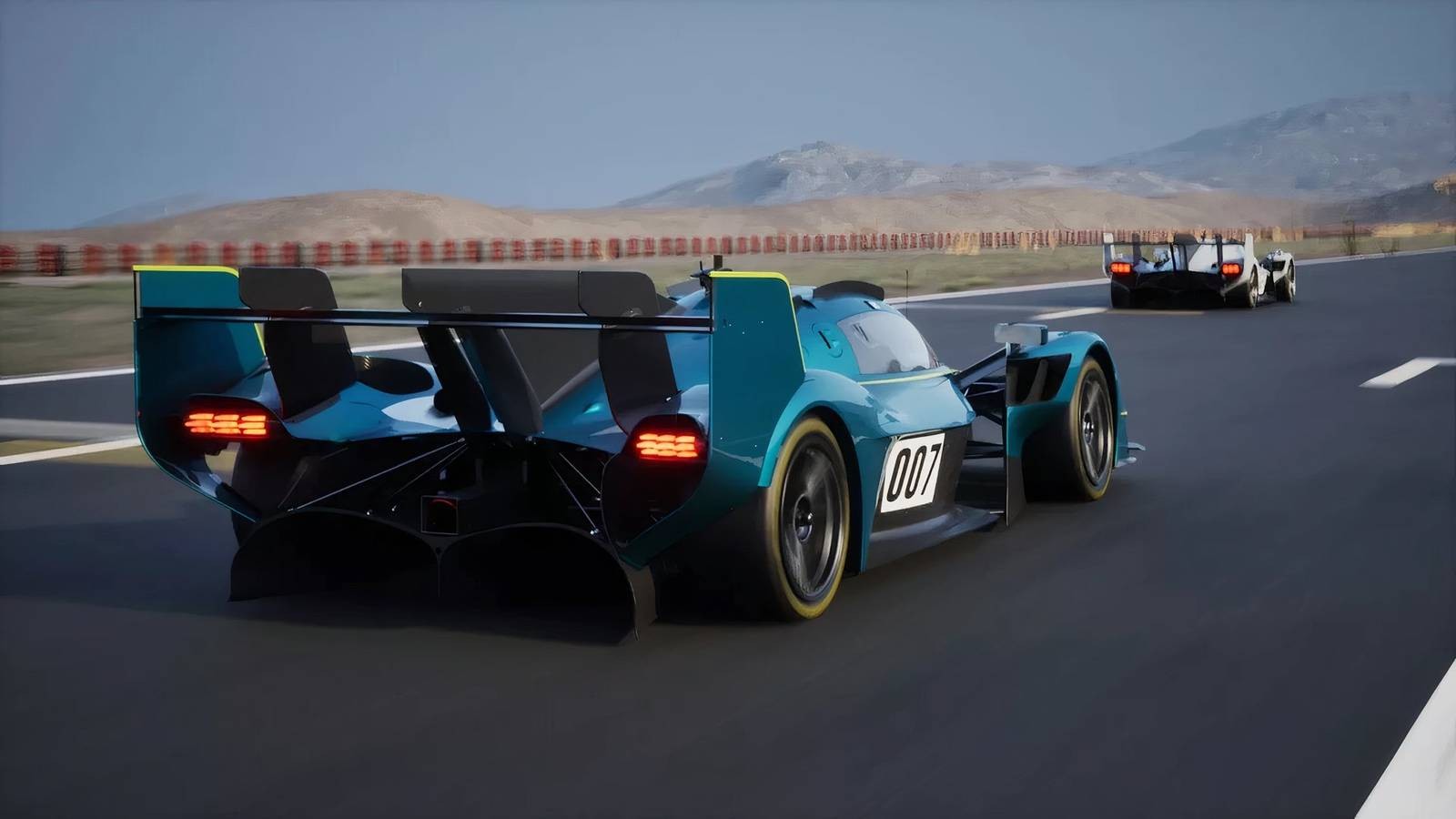
No lights. No cameras. No hybrid system to save weight. It has a wider track, longer wheelbase, and bigger aero wings.
It generates twice the downforce of the street version. The V12 runs wilder without road-use limits. Michelin race slicks only.
It is for people who want a prototype without hiring a professional driver. It doesn’t care if it is illegal on Sunday roads. It only cares about lap times.
The Le Mans (LM)
This one exists for show. Or maybe for winning.
Based on the road car but tuned for FIA endurance regulations. It makes less power—capped at 697 hp—but it’s built for the Nürburgring. Long Venturi tunnels. Full rear wing.
It proves Aston Martin wants back at the top table. The Valkyrie program was never just a money-making exercise. It was a resume.
The Bill of Goods
So you want one? Good luck.
285 made total. 150 Coupes. 85 Spiders. 40 AMRs. 10 LMs.
Price?
- Coupe : $3 million.
- Spider : $3.5 million.
- AMR Pro : $4 million.
- LM : $6.5–$7 million.
And that’s before options. Want 24-carat gold badges? Pay more. Titanium trim? Pay more.
Ownership isn’t a transaction. It’s a hostage situation.
Bloomberg reports service could cost up to $450k over three years. Maybe less if you buy a care package. Parts are locked down. Insurance? $15k to $40k a year. Fuel? Maybe 11 mpg. If you get lucky.
Resale value seems steady, around $3 million for used examples with low miles. But remember the holding cost. It eats savings alive.
Is it practical?
No.
Is it perfect?
Probably not. It had electronic gremlins. Computer parameters galore. It’s complex enough to break.
But when that 11k RPM scream tears out of the back, you forget the price tag. You forget the maintenance. You just feel the Gs.
Maybe that’s enough.