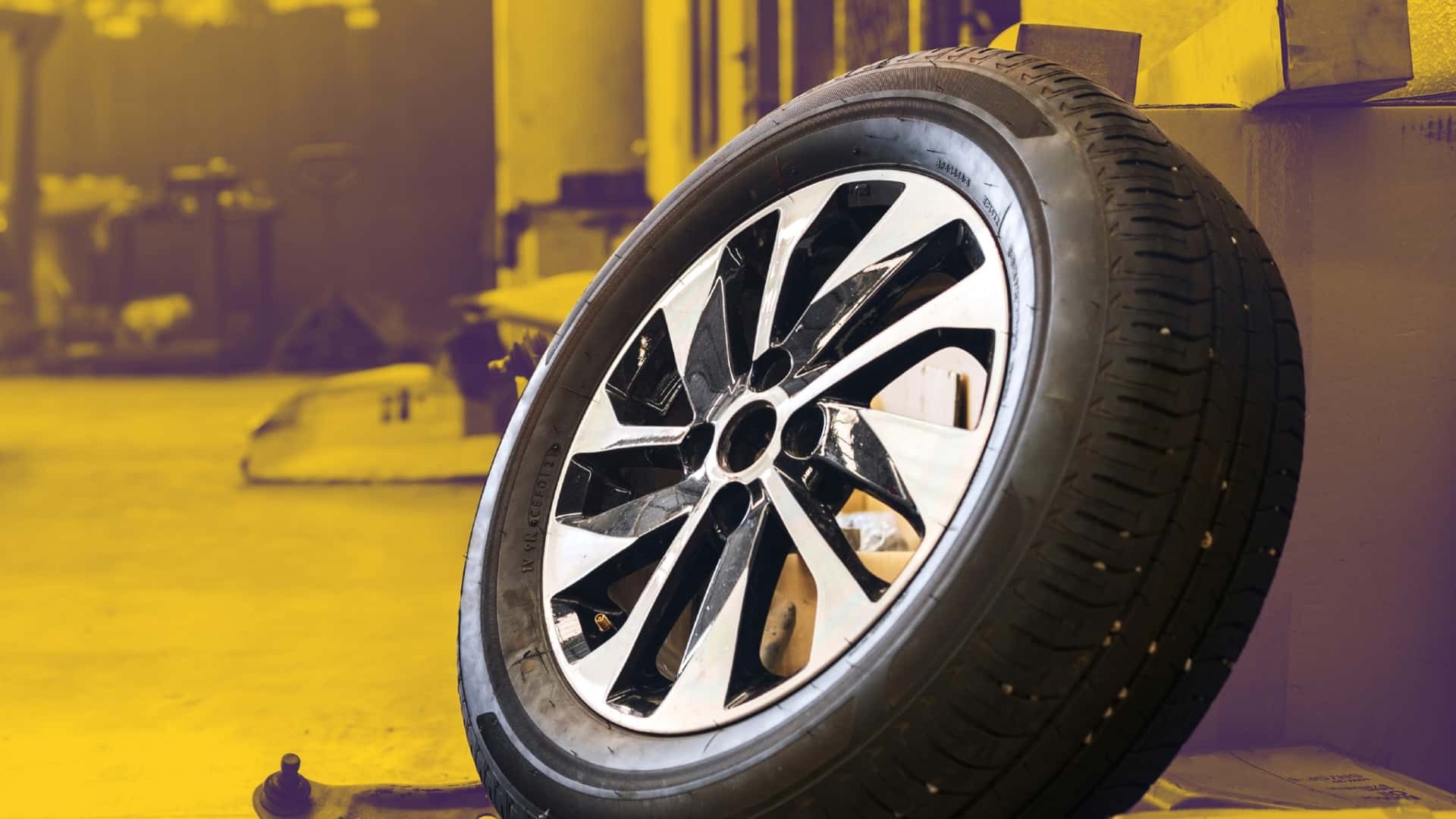
You pop the trunk. Lift the floor panel. Expect to see rubber and steel waiting for trouble.
There is nothing there.
Just an empty void or, worse, a flimsy tire sealant kit.
If you bought a new vehicle recently, you might feel scammed. Spare tires used to be standard. Standard on nearly everything. Now? They are vanishing. Fast.
Is it just automakers trying to save pennies? Partly. But the reality is more complex. Weight. Efficiency. Safety technology. It all plays a role in why the full-size spare is becoming a relic.
The Weight Problem
Let’s talk physics. Mass is the enemy of efficiency.
A full-size spare, complete with wheel, jack, and lug wrench, adds 30 to 60 lbs to your vehicle. Thirty pounds? That sounds negligible. It isn’t. Not when every ounce counts.
Manufacturers are under immense pressure. Emissions standards are getting stricter. Fuel economy numbers need to tick up. Every pound removed from the curb weight helps the math work out.
For electric vehicles (EVs), this is existential. Range is the holy grail. Removing 60 lbs helps maximize efficiency. It squeezes out those crucial extra miles on a single charge. The battery pack is heavy enough without carrying a spare tire you’ll use once a decade.
The Rise of Repair Kits and Run-Flats
So if there is no spare, what happens when you blow a tire on a back road?
Most cars now offer alternatives. Run-flat tires are one option. They have reinforced sidewalls. They allow you to drive for a limited distance after air pressure is lost. You don’t need to pull over immediately. You can limp to a shop.
Other cars come with tire sealant kits and small compressors. The theory is simple: most punctures are small. A nail in the tread. A slow leak. A can of goo and a 12V compressor can fix it. Most drivers will never actually need a traditional spare tire.
Why carry dead weight if you don’t need it?
Cost Cutting: The Open Secret
Sure. Efficiency matters. Weight matters.
But let’s be honest. Cost savings are a major factor too.
A spare tire setup isn’t cheap. The tire itself. The wheel. The mounting hardware. The jack. The time it takes assembly line workers to install it all. Removing these parts lowers production costs. It simplifies the manufacturing process. It slightly improves efficiency ratings, which is a double win for the balance sheet.
Many automakers will argue that weight and packaging are the primary drivers. They’ll cite safety benefits of having more crumple zones or trunk space. But the bottom line is always there. Profit margins are thin. Every component removed is a line item saved.
Drivers Are Not Impressed
You don’t need to scroll far to find anger about this trend.
Look at Reddit threads. Look at automotive forums. The sentiment is consistent and furious. Drivers feel let down. A sealant kit is not a true replacement for a spare tire. Not even close.
One user on r/askcarowners noted that manufacturers are prioritizing corporate convenience over driver security.
Another pointed out the harsh truth: repair kits have limits. A nail in the tread? Sure, sealant works. A shredded sidewall? You’re screwed. The goo won’t fix that.
There are horror stories online. Drivers in remote areas using sealant kits only to find them ineffective. Waiting hours for roadside assistance in the rain. Stranded because they lacked the physical means to change a tire quickly.
But wait. Is it all bad?
Some owners acknowledge that spare tires are rarely used. Modern tires are durable. Many people would rather call AAA than change a tire on a busy highway. Safety first, right?
Still. If you live in a remote area. If you drive unpaved roads frequently. If you travel long distances in areas with poor cell service? You need a spare. Or at least, you should demand it as an option.
It’s Not Gone Everywhere
The trend isn’t universal.
Trucks? They usually still have spares. Off-road SUVs? Often still equipped. Vehicles built for adventure prioritize reliability. Small weight reductions mean nothing if you’re stuck in mud 100 miles from town.
For these vehicles, a spare is the difference between a minor inconvenience and a disaster.
But for the average sedan or crossover? The spare tire is fading out. Like CD players. Like physical volume knobs. It’s becoming history.
A feature you remember. But one you likely won’t find in your next purchase.
Does that worry you? Or are you fine relying on a can of goo?