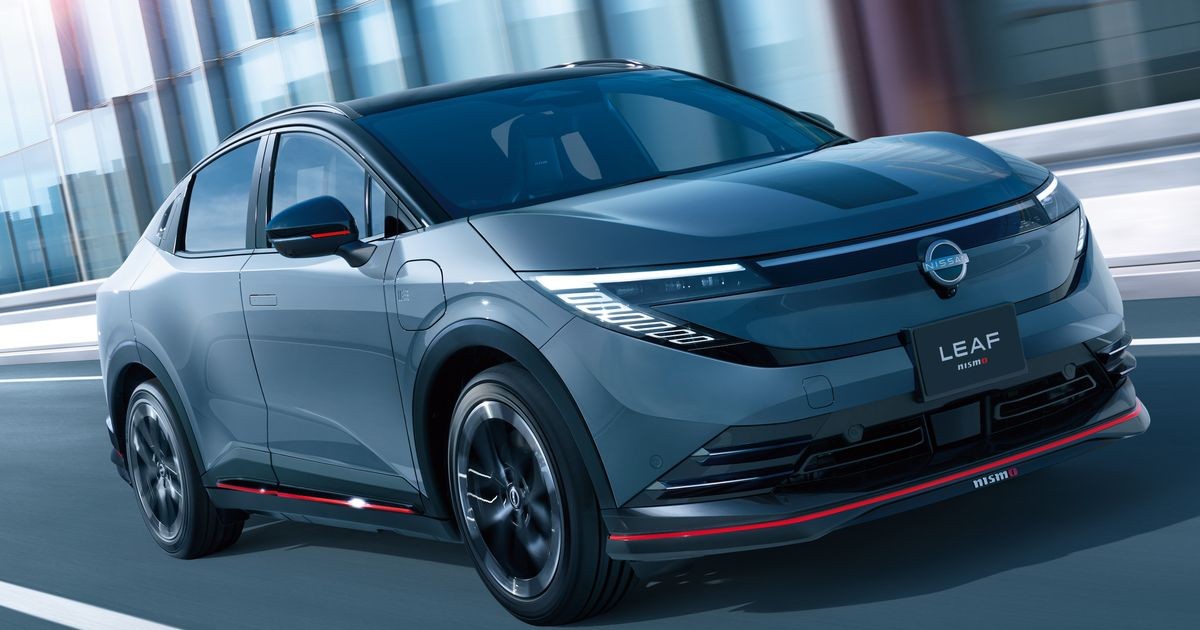
The third-generation Nissan Leaf has received a Nismo treatment, and if you know the badge, you know the usual rules don’t apply. Usually, Nismo means more power. It means turbocharged thrash. It means the kind of speed that makes your stomach drop. Not this time.
The Japanese spec Leaf Nismo sits quietly in its electric skin. There are no extra spurs under the hood because there is no hood, and certainly no engine block to squeeze more torque from. Nissan didn’t want to break the battery pack or void warranties by tuning the motors for peak horsepower. Instead, they went for handling. They went for grip. They went for look.
This isn’t about going faster in a straight line. It’s about turning sharper.
Under the metal: What actually changed?
Let’s talk numbers because that’s what buyers look for first. The entry-level B5 trim uses the standard 130kW motor producing 345Nm of torque to the front wheels. Step up to the B7, and you get a slightly stronger 160kW unit with 355Nm. That’s it. No secret horsepower boost. Just the standard electric drivetrain, but better dressed.
The real magic is in the chassis. Nissan installed new springs. New stabilizers. New bushings. They fitted shock absorbers with swing valves specifically designed to kill initial body roll before it even starts. It sounds like engineering speak for “this won’t lean as much.” It also means the Leaf Nismo handles corners with a confidence the standard Leaf simply lacks.
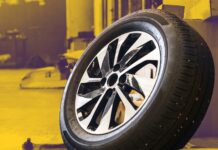
You’ll find this setup on lightweight 19-inch Enkeii alloys. Wrapped around those rims are 235/45 Michelin P Sport 5 tires. That is a serious rubber specification for a compact EV. These aren’t just for show; they’re the primary contact point for that improved agility.
Inside the cockpit: Controls and materials
Driving it requires a different approach than the base model. Behind the wheel, you have flappy paddles. These let you dial in four levels of regenerative braking. Why four? Because one size rarely fits all drivers, and having granular control helps you manage energy and cornering feel simultaneously.
There are also four drive modes: Standard, Sport, Eco, and Personal. The first three have been retuned specifically for the Nismo character. Personal mode lets you mix and match settings until it feels right. Nissan claims the result is a car that feels “lighter and more agile than its size suggests.”
Let’s look at the mass. The base B5 model weighs 1820kg. The B7 is heavier at 1920kg. If you opt for the Recaro sport seats in the B7 spec, you lose a tiny bit of weight, dropping it to 1900kg. Recaros are usually a luxury item in this segment, so their inclusion here hints that the Nismo is serious about driver focus.
Visual cues: The Nismo identity
How do you spot it? Arterial Magma. That’s the official name for the red paint highlights. They appear on the lower body cladding and mirror caps. It’s a subtle nod to performance without being loud.
The exterior gets an aggressive lower rear bumper. A front lip spoiler sits at the nose. A larger ducktail spoiler tops the rear. Two “air guides” flank the lower front bumper edges. These aren’t just aesthetic flourishes; they’re there to manage airflow and add a bit of downforce, or at least the perception of it.
The confusing omission
Here is the catch. The Leaf Nismo does not have the Z-style taillights.
These sleek, distinctive lights are available on regular third-gen Leaf variants, but Nissan excluded them from the Nismo. It feels like a missed opportunity. The Z-style lights define the look of the new Leaf. By removing them, the Nismo loses a key visual identifier of its own generation.
You still get six paint options, which is decent. Two of those shades are Stealth Grey variants exclusive to the Nismo. That’s a nice touch for buyers who want exclusivity without screaming red.
Interior details
Inside, the Nismo differentiates itself with piano-black plastic and suede-like materials on the dash. You’ll see Nismo branding stitched into the dashboard and seats. The steering wheel gets a trim of TailorFit faux leather with a red center marker and matching red stitching. There’s a unique power switch as well. It’s a cockpit designed to feel special, even