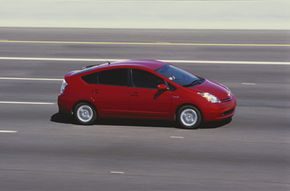
Batteries die. It’s the universal truth of modern life. Your laptop dies during a board meeting. Your phone dies when you’re trying to call for help. Now, your car is joining that exclusive club of failures.
Hybrid and electric vehicles are flooding showrooms. Gas prices are climbing. The planet is warming. We are trading gas guzzlers for battery packs. And with that trade comes a nagging anxiety. Will the battery pack in your new Prius die like the lithium-ion brick in your pocket?
More importantly: how much will it cost to fix it?
Before you panic, let’s kill a myth. Hybrid car batteries are not the same as laptop or phone batteries. They are distant cousins at best. You don’t need to worry about your car turning into a paperweight in the middle of the highway. But the cost question? That’s real.
Most experts place the replacement cost for a hybrid car battery between $1,000 and $6,000.
This figure excludes labor. Dealerships and independent shops add their own fees on top. The price swings wildly based on the year and model. A 2004 Ford Escape Hybrid battery pack is different from a 2024 Toyota Prius Prime pack. Size matters. Chemistry matters.
Manufacturers know this fear is a barrier to entry. They are pushing hard to reduce these costs. Why? Because a failed battery kills the brand. Performance hinders success. Automakers manage state of charge, temperature, and longevity with surgical precision. They know that a single widespread failure could strangle the nascent hybrid market in its crib.
The technology is shifting, too. For the last decade, nickel metal hydride (NiMH) ruled the roost. Now, lithium-ion is taking over. It’s the new kid on the block. The transition brings higher upfront costs and experimental growing pains. But the end goal is cheaper, longer-lasting power.
So, what happens when that battery finally gives up?
The Evolution of Hybrid Battery Reliability
The history of the hybrid battery is a history of trial and error. The first production hybrid, the Honda Insight, hit the lot in December 1999. Toyota followed shortly with the Prius. Both cars used emerging tech. The track record was hit-or-miss.
Replacing the first-generation Prius battery cost a cool $5,500.
That was painful. The second generation Prius improved the system. It dropped the cost by about $2,000. The third generation pack sits around $2,400.
Once the early quirks were ironed out—mostly issues with battery management software—the pack became one of the most reliable parts of the car.
What makes a winning battery system? Craig Van Batenburg, CEO of the Automotive Career Development Center in Worcester, Mass., points to the 2004 Ford Escape Hybrid. It used a Sanyo-manufactured pack. Sophisticated computer software managed it. An active cooling system kept the temperature at optimal levels.
“It’s pretty much bulletproof,” Van Batenburg said.
That’s the problem. We don’t know the exact cost of replacement right now because so few are actually failing.
Bradley Berman, editor of HybridCars.com, notes that pinpointing exact costs is difficult. So few packs are being replaced. Toyota estimates their battery failure rate at less than one percent. And that number is dropping.
So, what is the realistic price tag?
“The best ballpark figure is between $2,000 and $3,000,” Berman said.
You can find cheaper options in junkyards. Wrecked hybrids often have salvageable packs. But new retail prices hover in that $2k–$3k range.
Size dictates price. A replacement battery for a Ford Escape Hybrid SUV can cost upwards of $5,000. Unlikely that you’ll need this before you need a new vehicle. The Toyota Highlander hybrid pack runs about $4,900. Toyota recently reduced that cost by $400.
Toyota plans to add one million hybrids to the market each year.
More hybrids on the road means more economies of scale. Consumers should expect a sharp dip in replacement costs in the near future. Most known hybrids have been on the roads for over a decade. We may see an uptick in replacements soon.
Reliable? Yes. Long-lived? Yes.
But everything wears out. Even the bulletproof packs.
Frequently Asked Questions on Hybrid Battery Costs
How much does a hybrid battery cost?
A new hybrid car battery typically ranges from $3,000 to $6,000. The price depends on the battery type, its size, the vehicle’s year, and the model. Smaller packs cost less. Larger SUV packs cost more.
Is it worth replacing a hybrid battery?
Under normal use, a hybrid battery lasts around eight years. Whether you replace it depends on mileage. If the car has high miles and other expensive components are failing, replacement might not make financial sense. If the car is otherwise sound, it’s often worth the investment.
What happens when a hybrid battery goes bad?
When the battery dies, you can no longer drive the car. The battery cannot be charged in this failed state. The vehicle becomes immobile until the pack is replaced or the system is reset by a specialist.
How long do Toyota hybrid batteries last?
With regular maintenance, a Toyota hybrid battery can last approximately 100,000 miles. Some last longer. Some fail earlier. But ten years or 100k miles is the standard expectation for modern Toyota hybrid systems.
Beyond the Basics
You already know the core mechanics. The real value lies in the nuances that separate a casual observer from someone who actually understands what happens under the hood of a modern hybrid. If you’re wondering how hybrid battery packs are being improved, the answer isn’t just “bigger.” It’s about chemistry, thermal management, and software integration.
“The question isn’t just can hybrid engines create more power? It’s how efficiently can they convert that power without cooking the battery.”
Consider the voltage. People ask how much voltage a hybrid car produces and why it matters. High-voltage systems allow for smaller, lighter components. Less wire means less weight. Less weight means better handling. It’s a direct trade-off that engineers have balanced for years. But here’s where it gets tricky. A mild hybrid system operates on a completely different logic. It doesn’t just assist; it recaptures energy that would otherwise be lost to heat during braking.
Which is better for your wallet? Will buying a hybrid really pay off? The answer depends on your commute. If you’re stuck in stop-and-go traffic, the regenerative braking kicks in constantly. You save fuel. If you’re on the highway? The gains shrink. The engine does most of the work.
The Hidden Costs of Power
Solar power integration is still niche. How can hybrid cars utilize solar power? Some roofs have tiny panels. They don’t drive the car. They keep the 12-volt battery charged. They power the infotainment. They prevent the main high-voltage pack from draining when parked. It’s a subtle benefit, but it adds up over time.
Then there’s the indicator lights. How hybrid system indicators work is often misunderstood. A flashing light doesn’t always mean failure. Sometimes it just means the system is in “learning mode,” adjusting its efficiency curves based on your driving habits. Patience matters here.
But let’s talk about the elephant in the room. Batteries. Why would I want to recondition my hybrid battery pack? It’s not magic. It’s balancing cells. Over years, some cells degrade faster than others. The management system works harder to compensate. Reconditioning can reset that balance. It extends life. It delays the inevitable replacement cost.
The Reality of Ownership
Who is actually buying these things? The top 10 selling hybrid cars tell a story of reliability over hype. It’s not about being eco-friendly at all costs. It’s about low maintenance. Fewer oil changes. Less brake wear. The motors do the heavy lifting.
However, there are risks. Assaulted batteries, as reported in past incidents, highlight the danger of poor manufacturing or extreme abuse. Thermal runaway is real. But it’s rare. Modern systems have safeguards. Sensors everywhere. Cut-offs built in.
If you’re looking to break into the industry, or just understand what you’re signing up for, the data is clear. The technology is mature. The questions remain. Can they create more power? Yes. Will they pay off? Usually. But only if you drive them the right way.
The road ahead is electric. And hybrid. And complicated. And fascinating.