Aerodynamics. Lightweight materials. Low-rolling-resistance tires. These are the hardware upgrades that help hybrid cars sip fuel. But there is another mechanism at play. It relies less on engineering specs and more on basic physics. You slow down, and the car catches the energy.
Most internal combustion engines waste this energy. Heat. Friction. Noise. A hybrid captures it.
Regenerative braking is the system responsible. It turns motion into stored electricity. The result is better mileage. The principle is simple. Kinetic energy is the energy of motion. Wheels spin. That spinning has power. Traditional brakes throw that power away as heat. Hybrid systems save it.
The Physics of Stopping
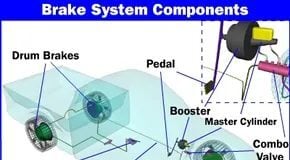
Think about a standard car. You hit the pedal. Brake pads clamp onto rotors. Or brake shoes push against drums. The car stops. The kinetic energy of the spinning wheels turns into heat. That’s it. The energy is gone. Dissipated into the atmosphere. Useless.
Hybrids do things differently.
When you lift your foot off the accelerator in a hybrid, the electric motor doesn’t just idle. It becomes a generator. It resists the motion of the wheels. This resistance slows the car. But it also generates electricity. That electricity flows into the battery pack.
The car recharges itself by slowing down.
It sounds like magic. It’s just physics. The rotational kinetic energy of the wheels is converted. Stored. Ready for use. When you need power at low speeds, the electric motor draws from that battery. It drives the vehicle. Or it assists the gasoline engine. Efficiency gains.
Full Hybrids vs. Mild Hybrids
Not all hybrids use this system the same way.
Full hybrids can run on electric power alone for short distances. The regenerative braking keeps the battery topped up for those moments. Mild hybrids rely on start-stop technology. The engine shuts off at idle. Regenerative braking helps manage the electrical load and recovers energy during deceleration.
Both types benefit. Both save fuel. The core technology remains the same. Capture the energy that would otherwise be lost.
KERS and High-Performance Applications
Regenerative braking isn’t just for grocery getters. It has roots in motorsport.
Formula 1 introduced the Kinetic Energy Recovery System (KERS) in 2009. The goal wasn’t just efficiency. It was horsepower. The system captures kinetic energy during braking. Stores it. Releases it to boost acceleration. Some teams use electric motors. Others use flywheels. The principle is identical. Waste not, want not.
The difference is the output. A Toyota Prius uses the recovered energy to extend range. A Ferrari uses it to jump out of a corner.
Why It Matters
Fuel efficiency in hybrids comes from a combination of factors. Aerodynamics help. Weight reduction helps. But regenerative braking is unique. It turns a negative event—braking—into a positive one—charging.
You don’t have to drive differently. You don’t need to change habits. The system works automatically. When you slow down, the car recovers energy. When you accelerate, it uses that energy.
It’s a closed loop. Efficient. Smart.
The next time you stop at a light, remember the wheels are spinning. And that spinning is being saved.