


The UK Government thought their zero-emission rules would push carmakers into electrifying.
They didn’t expect Chinese brands to treat it like a head start.
While legacy auto houses from Europe and Asia struggle to hit sales quotas, newcomers like BYD, Jaecoo, and Chery are cruising past them. Not because they have better cars necessarily, but because the rules accidentally handed them a gift.
“It’s a design of the scheme… In my view, that was bit of a mistake” — Ben Nelmes, New AutoMotive
The rigged game
Here is the problem.
The UK’s ZEV Mandate forces manufacturers to ensure one-third of their sales are fully electric. Miss the mark, and you pay a £12,000 fine for every compliant vehicle short.
Sounds simple? It’s not.
Older giants like Volkswagen Group and Stellantis can bank “credits” from years when their engines were cleaner than average pre-2021. It’s a lifeline. A loophole, really.
New Chinese entrants don’t have that history. Or do they?
Under current rules, newcomers calculate targets based on the industry average from the year before they arrived. That average was already relatively clean. So their personal target bar? Low. Shockingly low.
Ben Nelmes, CEO of research firm New AutoMotive, calls it an “unfair advantage.”
He says if the rules changed to match what they actually sell—mostly internal combustion engines right now—brands like Chery would be drowning in debt overnight.
“EVs don’t feature particularly heavy in their sales,” he notes. “The current requirements are too lax.”
Think about that.
A car company can sell mostly gas cars and still comply? That seems… wrong.
The struggling heavyweights
Volkswagen and Stellantis (Vauxhall, Peugeot, Citroën) are currently in the red.
Stellantis owes about 9,400 credits.
VW is closer to breaking even, holding a surplus from last year that they’re spending now. That’s clever, but it doesn’t last forever.
Despite the £3,750 government grant and deep dealer discounts, these giants only sold EVs for 23-30% of their mix.
The mandate demands more.
Renault is the exception, riding the wave of the trendy Renault 5. They are sitting comfortably above their requirement, with over 2,000 spare credits by year’s end.
Meanwhile, the rest of the established auto world watches in panic.
Who is actually winning?
Chinese brands hold 15% of total UK sales.
Fifteen percent. From zero just a few years ago.
The Jaecoo 7 is the third-best-selling overall car in the UK right now.
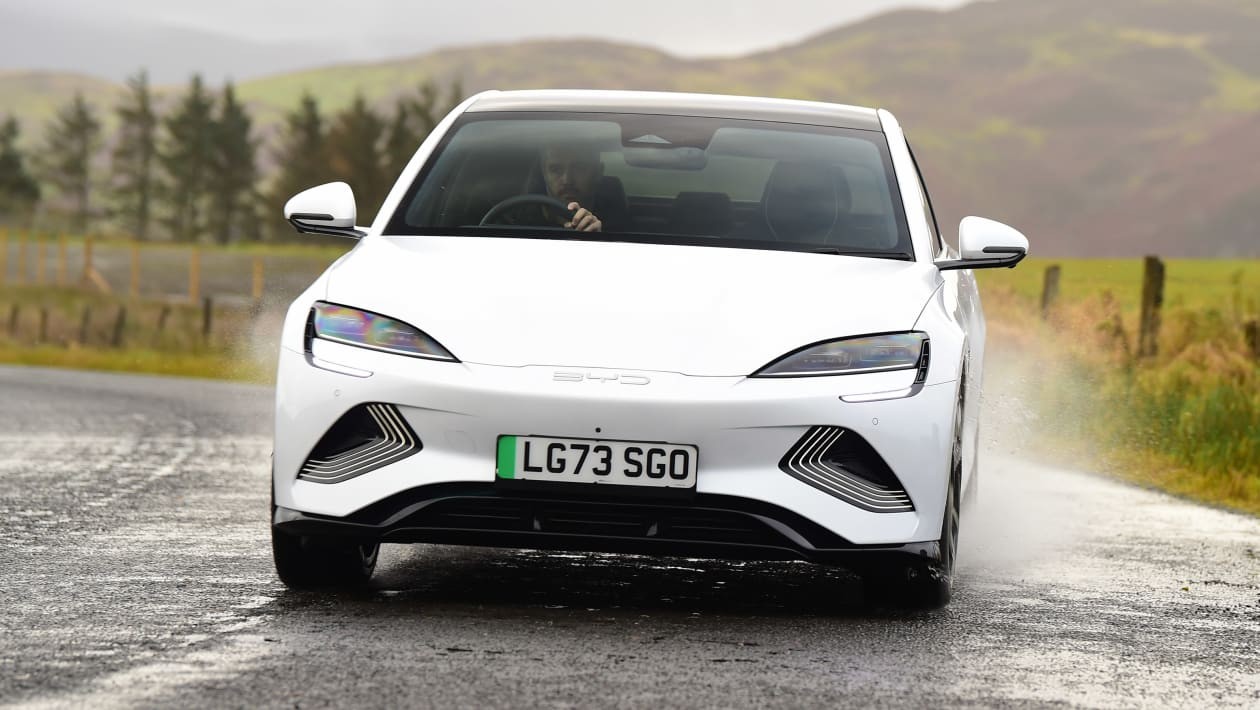
The BYD Seal cracked the top ten for electric vehicles.
Geely, SAIC (who owns MG ), and XPeng are all compliant. They are meeting the ZEV mandates with ease.
Is it fair? Probably not. But the rules allowed it.
Mike Hawes from the SMMT (Society of Motor Manufacturers and Traders) is calling for reform. He argues the current targets are stifling investment. He wants the rules adjusted so companies can compete fairly and keep British factories open.
Tanya Sinclair from Electric Vehicles UK disagrees. She says the government should follow the customer, not protect lazy manufacturers.
Which view wins? We’ll see.
The fix is coming
The Government announced a consultation this June. They know the rules are misaligned with demand.
Last month, 30% of new cars were electric.
Earlier in the year it was less than 25%.
Progress is happening, but the regulatory framework is tripping itself up.
Petrol and diesel shares are shrinking, replaced by hybrids and EVs, but the math is still messy.
Who do you trust to fix it? The regulators? The incumbents?
Or do we just let the Chinese brands keep taking the wheel, credits be damned.
“The Government just needs to align itself with British motorists direction of travel — not certain carmakers lack of ambition” — Tanya Sinclair
The consultation begins soon.
The clock is ticking on the old rules.


