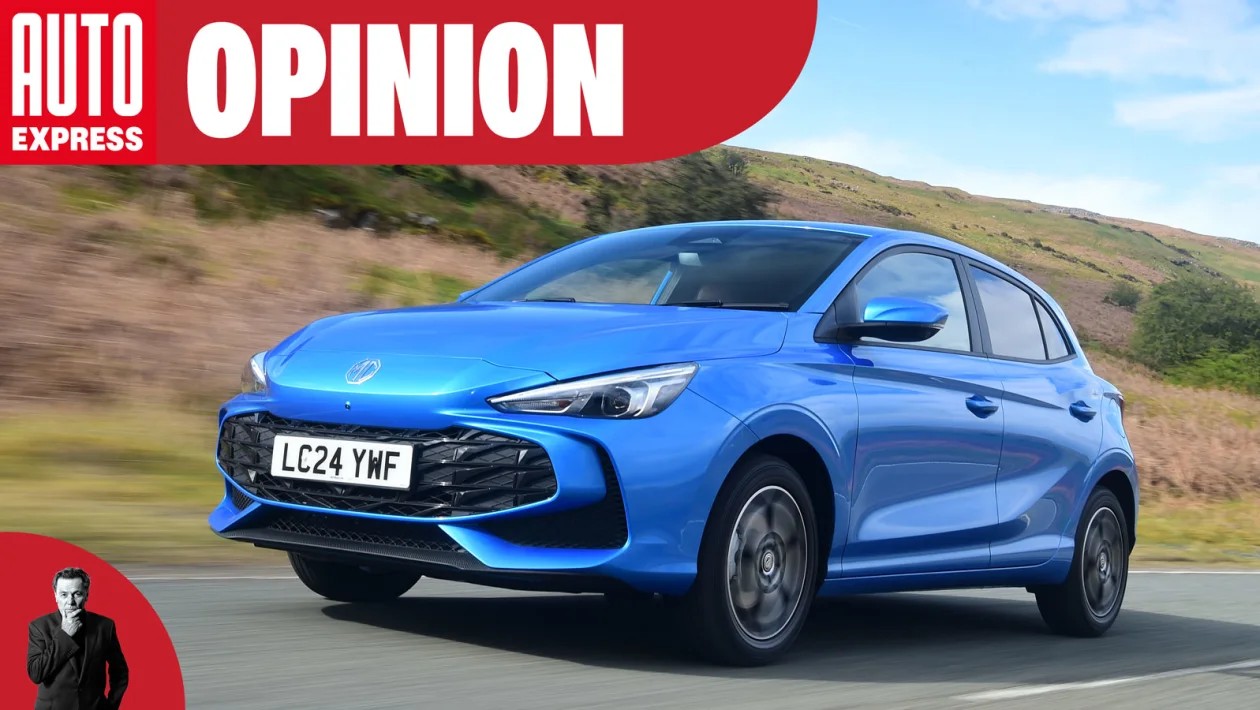
It is owned by a Chinese conglomerate. The history is British. MG is currently experiencing its most successful era on British soil.
Private buyers are queuing up. These aren’t corporate fleet deals or rental company bulk purchases. The market for these cars is dominated by individual consumers. They seem attracted to a specific blend of modern technology, aggressive pricing, and straightforward value propositions. It isn’t just marketing fluff. People are actually buying these vehicles in record numbers.
Think back to the early 2000s. MG, then based at the historic Longbridge plant, was practically bankrupt. The brand was a ghost of its former glory. It faced administration, lacking the cachet and success of its parent company’s other assets, specifically Jaguar and Land Rover. It was struggling. Desperately so.
Now, look at the current landscape. MG sells significantly more units than those same two premium brands combined. Jaguar has paused UK production to focus on electric models. This will not change their low-volume output strategy anytime soon. The volume game is not for them anymore. MG has taken the mass-market baton.
MG is also pulling ahead of MINI. In the first six months of 2024, only Vauxhall sold more new cars among UK-born brands than MG did. Vauxhall currently sits comfortably above them. That lead, however, is shrinking. With sales momentum building over recent months, MG could realistically overtake Vauxhall before the year ends. The crown might just be slipping away from GM’s British stalwart.
Overtaking The Global Giants
The achievements go deeper than local rivalries. Over the trailing twelve-month period (June 2023 to June 2024), MG achieved something unprecedented. It outsold established manufacturers from South Korea (Hyundai), France (Peugeot), the Czech Republic (Skoda), Japan (Toyota, Nissan), and even parts of Western Europe.
Consider the Toyota and Nissan statistics. These Japanese manufacturers have been pillars of the British automotive industry for decades. Both maintain factories in the UK. MG, lacking domestic production in Britain, still manages to sell more vehicles. The shift in consumer preference is palpable. You cannot ignore that fact.
Despite these gains, Volkswagen remains the undisputed king of the British road. BMW follows. Then comes Kia, Audi, Ford, and Mercedes. MG trails closely behind them.
But the hierarchy is trembling. I predict MG will pass Mercedes soon. Mercedes sales, while resilient, are not expanding at MG’s velocity. Then there is Ford. Ford is struggling. Market share erosion is setting in for the traditional British favorite. Meanwhile, MG’s order books are filling rapidly. The imminent arrival of smaller models, potentially the MG2, suggests further acceleration.
Why Private Buyers Are Choosing MG
We are only mid-year in 2024. The trajectory is steep. If asked to pick one automotive brand dominating the headlines and sales charts this year, my choice is clear. MG.
The appeal seems straightforward. Consumers are seeking value. Advanced features at accessible price points are hard to ignore when the economy feels precarious. The skepticism around Chinese ownership is fading fast, replaced by satisfaction with the product itself. It’s about the cars now. Not the boardroom in Shanghai, but the drive in London or Manchester.
Can anyone stop them? Probably not. Not anytime soon.
If you’re watching this market shift and considering a move, or perhaps looking to trade in an old beast for something new, remember that the resale market moves as fast as the sales market. There are services available to help you navigate selling your current vehicle while securing a deal on a newer model. The window of opportunity to act is open right now.