Vehicle values used to mean something. You bought something reliable. You kept it until the wheels fell off. You sold it when the math made sense.
Not anymore.
According to the latest second-quarter report from Edmunds, the era of positive trade-in value is officially over for a massive chunk of American drivers. We aren’t talking about clunkers dying on the side of the highway. We’re talking about responsible choices going wrong. Specifically, 29.6% of all trade-ins toward a new purchase this quarter had negative equity.
Nearly three in ten buyers walked into dealerships already underwater. The debt isn’t sitting in the past, either. It’s traveling.
How Much Debt Is Rolling Into New Loans
Let’s talk numbers, because they sting. The average trade-in with negative equity carried $6,884 in “upside-down” balance in Q2. That set a new historical record for this time of year.
And here is the trap: that money doesn’t vanish when you sign a new contract. Dealers absorb it. The new loan starts with a bigger number. The payments reflect that. It creates a compounding effect known in the industry as being upside down on a rollover loan.
Edmunds found these buyers are now paying an average monthly payment of $944. Compare that to the industry average. You are paying $167 more per month for the privilege of carrying someone else’s debt into your new payment.
It’s not just about the monthly hit. It’s the total cost over the life of the loan. Borrowers with negative equity will pay an estimated $16,270 in interest. That is roughly $6,500 more than what a standard new-vehicle buyer pays in interest. You pay double. For the same miles.
When historically safe residual value bets are showing underwater, it is clear this is a financing problem. Not a vehicle choice problem. — Ivan Drury, Edmunds
Why Toyota Owners and Jeep Drivers Are Stuck
You might assume this only happens to people who bought overpriced minivans or luxury cars that tanked in value. You’d be wrong.
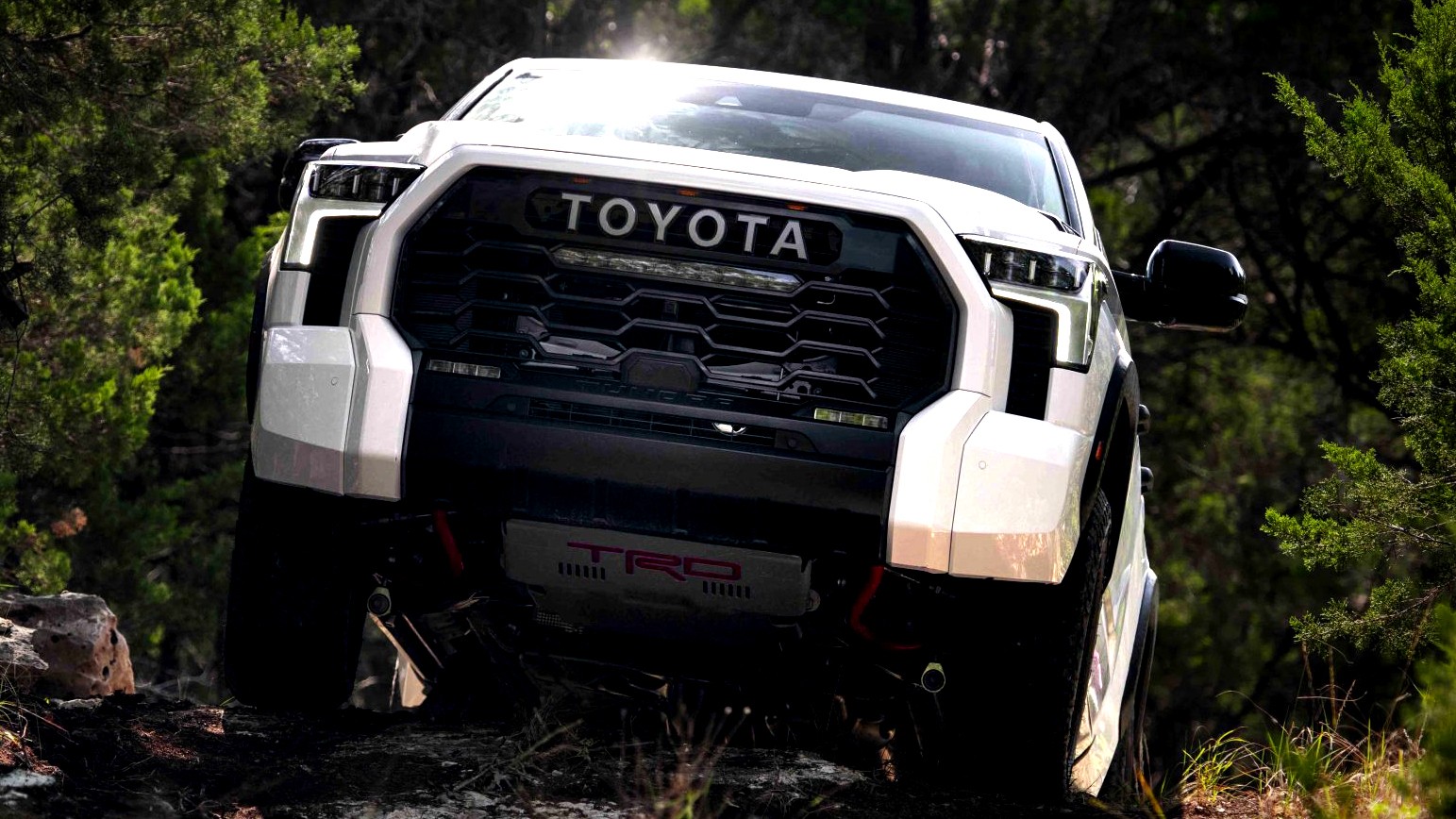
A significant portion of this negative equity involves trucks and SUVs with strong historical resale value. Think Toyota Tacoma, Jeep Wrangler, and Honda CR-V. These machines don’t depreciate fast. They aren’t financial disasters. So why is everyone owing more than they’re worth?
The answer traces back to 2021 and 2022.
During those years, inventory shortages were severe. New trucks and SUVs were selling at or above sticker price because there was simply nothing else on the lot. Millions of people bought at the absolute peak of the market.
Now, those loans are reaching a maturity point where trade-ins are happening naturally. But the vehicles are worth less than the original financing amounts. The market corrected downward. The debt remains rigid.
This isn’t a case of buyers picking the wrong vehicle. It is a structural issue with how much we paid to get those vehicles on the road three years ago. When Toyota Tundra owners or Honda buyers find themselves rolling an average of nearly $9,000 (specifically reported figures for Tundra/ Tacoma cohorts often exceeding the mean due to higher original MSRPs) into new loans, it signals a systemic pricing bubble deflation.
The result? High payments for perfectly good trucks, just to move a debt marker from one odometer to the next.
Does the car actually need to be new? Or does the newness need to be forced because the old one can’t support itself anymore?