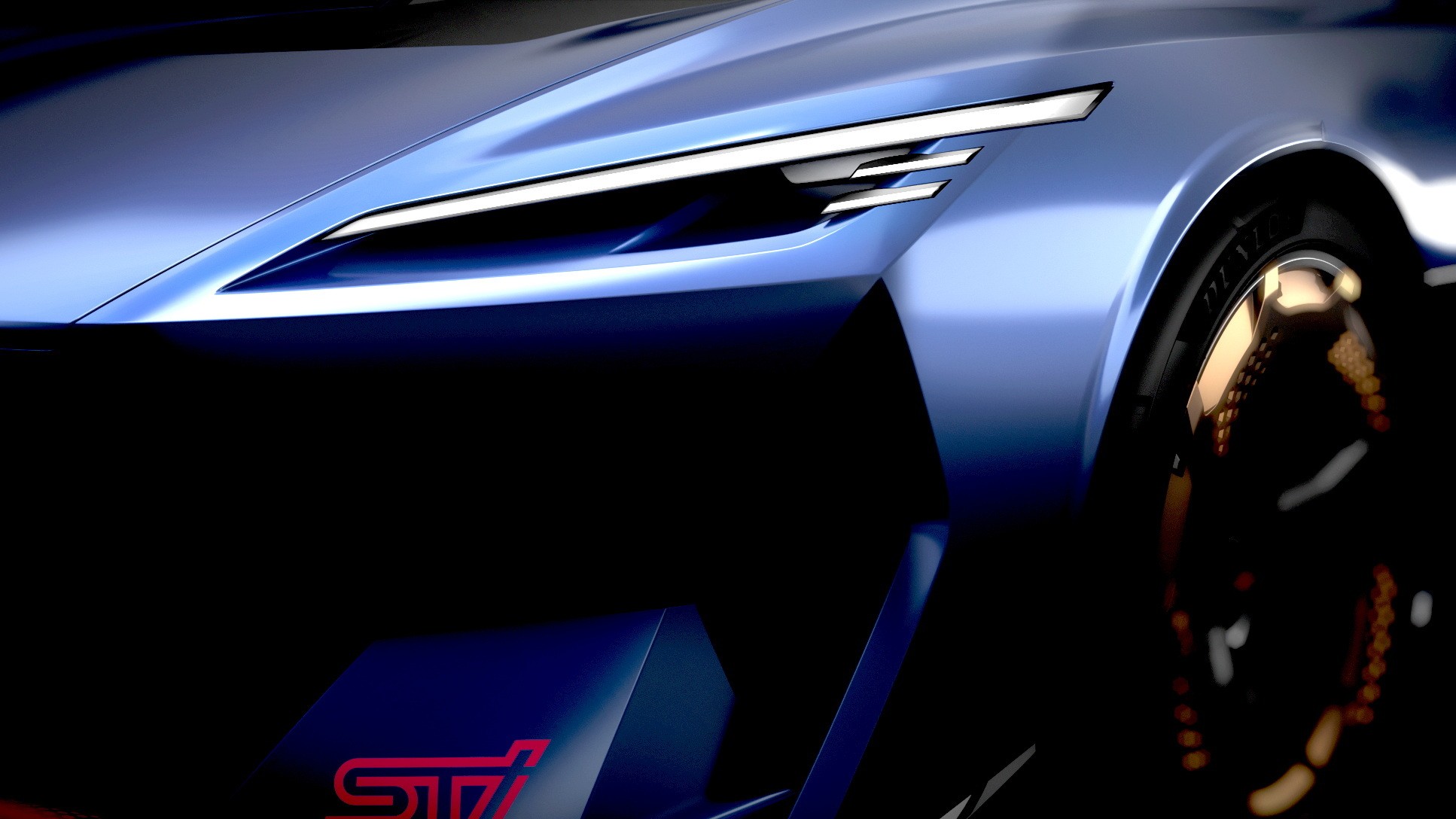
Subaru finally admitted the hard truth. Its performance cars have become stale. For years, fans watched the brand drift. The STI died. The WRX grew up, got serious, and lost its spark. Concepts appeared, flashed bright headlines, then vanished into thin air. Nothing for buyers to drive home.
Now the company is pivoting.
Why Subaru Created The Product Innovation Headquarters
The automaker established a new Product Innovation Headquarters. Inside sits a specific team: the Sports Vehicle Planning Office. Their only job? Put the fun back into Subaru.
If this feels late, you are correct. It is very late.
Subaru Chief Technical Officer Tetsuro Fujinaki was blunt in a recent interview with Japan’s BestCar. He didn’t use corporate jargon. He didn’t blame the economy.
“We decided to stop doing things the old ways,” Fujinaki said. “Because it’s boring.”
That is a rare admission. Most automakers hide stagnation behind buzzwords about sustainability or safety. Subaru called it out.
The Stagnation Of Subaru Performance Legacy
Subaru’s reputation wasn’t built on minivans. It was built on dirt, noise, and turbochargers. The WRX STI, the Legacy GT, the Forester XT. These were rally-bred machines. They drove sideways. They demanded attention.
Then they stopped evolving.
Look at the numbers. The final U.S. WRX STI made 310 horsepower. The 2004 model made 300. Over nearly two decades of engineering progress, the power gain was ten horsepower. That’s it.
After the 2021 model year? Gone. The badge disappeared. Enthusiasts were left wondering if Subaru even remembered what it stood for. The current lineup feels like a Hawkeye WRX STI left to rot in a field. Forgotten. Rusting.
How Regulations Killed The Fun (Or Didn’t They?)
Fujinaki pointed to emissions rules and fuel economy standards as the hurdle. Powerful gasoline cars are harder to justify. The paperwork is thicker. The margins are thinner.
But here is the thing.
Those same regulations didn’t stop the Toyota GR Corolla. They didn’t block the Honda Civic Type-R. The Hyundai Elantra N still sells. Those cars exist. They are loud, fast, and legal.
American regulations are tough. But they are not impossible.
So why Subaru? Maybe the engineering culture shifted. Maybe the priority moved to crossovers like the Outback and Forester. Those sell. Performance cars do not. But a department dedicated to sports vehicles is more than a press release. It is a structural change.
What This Means For Buyers
A new office does not mean a new car tomorrow. Fans have seen concepts before. Flashy renders that never leave the booth. This time, however, there is a permanent team. A budget. A mandate.
Whether this leads to a new halo car or just a slightly sharper WRX, remains to be seen. The Kei van mentioned in the same breath is cheap. The sports cars need to be exciting.
Subaru knows it lost the plot. The question isn’t if they will fix it. It’s whether they can do it before the enthusiasts stop caring entirely.
Which car will they build first? Probably something with all-wheel drive. And hopefully, something that doesn’t bore anyone.