It is never a good feeling. You drop the shifter into reverse, put your foot on the brake, and suddenly the cabin fills with an unwelcome soundtrack. It ranges from a high-pitched whine to a metallic grind. Most drivers freeze up, wondering if they just ruined their transmission or if they need to replace a $30 part. The truth is, hearing your car make noise in reverse is a diagnostic clue, not necessarily a death sentence. But ignoring it is a mistake. These sounds are mechanical distress signals. They point to wear, tear, or imminent failure in specific systems.
The Squeal of Worn Brake Pads
Start with the brakes. This is the most frequent culprit. Modern brake pads have a small metal tab called a wear indicator. When the friction material thins out to a critical level, this tab scrapes against the rotor. It creates a sharp, high-pitched squeal.
You might only hear it clearly when backing up. Why? Weight distribution shifts. When you reverse, the car’s weight settles slightly differently over the axles, changing how the pads contact the rotors. If the squeal starts exactly when you engage reverse, check your pads. If they are below the manufacturer’s minimum thickness, replace them. Doing so stops the noise and saves your rotors from being gouged.
The Whine of Manual Transmissions
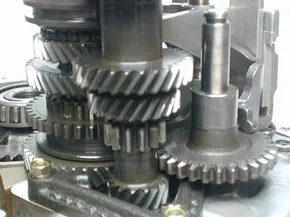
If you drive a stick shift, the noise profile changes. Reverse gears in manual transmissions are often straight-cut, unlike the helical gears used for forward gears. Straight-cut gears are louder by design. They engage with a distinct “grind” or whine that forward gears do not produce.
However, a harsh grinding sound that suggests metal-on-metal contact is not normal operation. It usually means the synchronizer rings are worn or the reverse gear teeth are chipped. This requires a transmission specialist. You cannot fix this with fluid or a quick tune-up. If the noise feels aggressive rather than just loud, pull over and diagnose the transmission health.
The Rumble of Differential Issues
Front-wheel-drive and rear-wheel-drive vehicles both rely on differentials. This component allows the outer wheel to spin faster than the inner wheel during a turn. When you put the car in reverse, the load on the differential gears changes direction.
A rumbling or whirring noise that intensifies in reverse often points to worn bearings or gear wear within the differential. This is serious. Left unchecked, the differential can seize, leaving you stranded. The noise is usually low-frequency and felt in the floorboard. If you hear this, do not ignore it. Differential repairs are costly, but they are far cheaper than replacing a drivetrain that has been destroyed by neglect.
The Rattle of a Loose Exhaust
Not every noise comes from the powertrain. Sometimes, the exhaust system is the offender. Exhaust pipes and mufflers are suspended by hangers. Over time, rubber isolators degrade. When the exhaust becomes loose, it can swing and hit the undercarriage or suspension components.
Changing direction from drive to reverse shifts the engine torque. This torque twist can cause a loose exhaust to slap against the frame. The result is a loud, metallic bang or rattle. It sounds dramatic, but the fix is often simple. Inspect the exhaust hangers. Replace the broken rubber mounts. Tighten loose clamps. If the pipe itself is rusted through, you will need to weld or replace the section.
The Clunk of Engine Mounts
Engine mounts secure the engine to the chassis. They also absorb vibration. When these mounts crack or the hydraulic fluid inside them leaks, the engine becomes unstable. During reverse, the engine torque reaction pushes the engine block in the opposite direction of normal driving. If the mounts are worn, the engine shifts excessively.
This movement causes a loud clunk or thump as the engine hits its limits or touches nearby components. It is a safety hazard. Excessive engine movement can stress other connections. If you feel a jolt or hear a bang when engaging reverse, inspect the engine mounts. Replacing them restores stability and eliminates the noise.
Diagnosing the Noise
Pinpointing the source requires attention. Note the type of sound. Is it high-pitched? That points to brakes. Is it a grind? That suggests gears. Is it a rattle? Look at the exhaust. Is it a clunk? Check the mounts.
Visual inspections can catch a lot. Look for thin brake pads. Check for loose exhaust hangers. Look for cracked rubber mounts. However, some issues, like internal transmission or differential wear, require a professional mechanic. They have the tools to listen to the exact point of origin.
Addressing these noises promptly prevents minor wear from becoming catastrophic failure. Regular maintenance catches these issues before they leave you on the side of the road. If the noise persists, seek help. Your car is talking. Listening to it keeps you moving.