The video is spreading fast. Hans Noordsij, a member of a Dutch Tesla club, shared footage that captures exactly why this technology matters. It’s not just a glitch or a hype trailer. It is real-time emergency braking in action.
A Tesla Model S, driven by Frank van Hoesel, slammed on its brakes just two seconds before a major collision. The scene plays out on a Dutch highway. The car was moving at 110 km/h. Then the system detected a threat the driver hadn’t seen. The vehicle slowed down. The crash happened anyway. But not to the Tesla.
How the Sensor Fusion Works
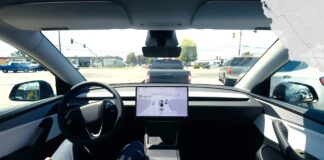
The footage, recorded by a dashboard camera inside van Hoesel’s car, offers a clear look at the tech. The car was traveling from Liège back to the Netherlands with his wife and kids. They were listening to music. Then the car stopped itself.
« We were returning from Liège to get back to the Netherlands with my wife and children. We were listening to music and the car stopped by itself. »
— Frank van Hoesel, driver
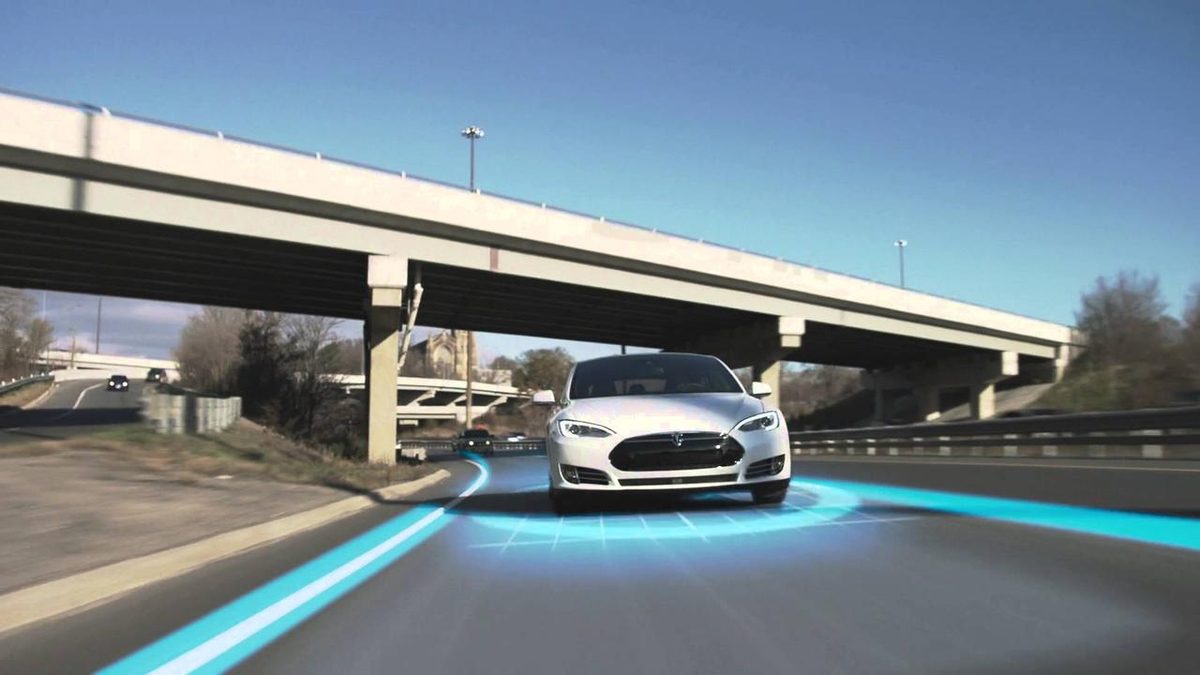
This wasn’t luck. It was the latest Autopilot update doing its job. The system uses a radar located in the front grille. It scans the vehicle directly ahead. But it also looks through that vehicle. It sees what is in front of the car leading the pack.
In the video, you can see a black SUV braking hard. It’s visible through the windshield of a red car in front of the Tesla. The red car is following too closely. It fails to maintain a safe distance. It hits the black SUV on its rear right side.
The impact pushes the SUV into the guardrail. The vehicle rolls over. Two full flips. No fatalities. No serious injuries.
Why This Tesla Avoided the Crash
Van Hoesel admits he didn’t see the accident coming.
« My car was faster than I was. We didn’t see the accident but the Tesla saw it for us. »
That statement sums up the value proposition of semi-autonomous driving. The driver is still in the loop. But the machine has sensors that cover blind spots and react faster than human reflexes.
This incident happened after a recent system update. The radar now tracks the vehicle ahead and the one in front of that vehicle. It creates a layered view of traffic flow. When the black SUV slammed on its brakes, the Tesla’s computer calculated the risk. It initiated emergency braking before the Tesla even had a clear line of sight to the collision point.
The Safety Argument
This story changes the conversation. Autopilot has faced heavy criticism. A fatal accident involving a Tesla Model S had tarnished the system’s reputation. People questioned if the technology was ready for prime time on highways.
Van Hoesel says this event confirms his decision to buy the car.
« The reason I bought this car is precisely for safety. »
He was convinced. The car prevented a chain-reaction crash. The red car didn’t stop in time. The black SUV got tossed. The Tesla? It just slowed down and drove away.
The footage serves as a blunt reminder of what these sensors can do. They see further. They react faster. They don’t get distracted by music or road fatigue.
It doesn’t solve every problem. You still need to