You’ve drained the old sludge. The pan is empty. But if you stop here, you haven’t fixed anything. You’ve just moved the dirty stuff from inside the engine to the ground beneath it.
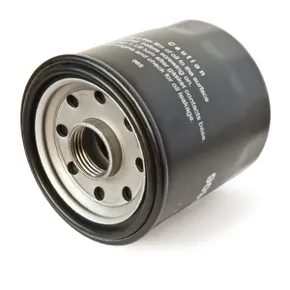
The oil filter is the unsung hero of lubrication. It traps the metallic shavings, carbon deposits, and grime that accumulate as the engine runs. Swap it out. Do it every time.
Why? Because running new oil through an old filter is a disaster waiting to happen. The clogged media becomes a bottleneck. It restricts flow. It bypasses filtration entirely. Your fresh synthetic blend gets contaminated immediately.
Sizing and Cost
Check your manual. Look for the part number. There is no universal filter. Some fit a Honda; others fit a Ford; a few fit a truck. Get it wrong, and you leak oil everywhere.
Price varies wildly. A basic paper filter runs about $5. You can pick one up at any auto parts store. Performance filters? Those cost up to $20. More surface area. Better filtration. Worth the extra coin if you drive hard.
Locating the Filter
Crawl under the vehicle. You should still be there from draining the oil.
The filter sits on the engine block. It looks like a cylinder. Colors vary by brand—blue, white, black, or orange. Find it.
Grab an oil filter wrench. These cost pennies at any shop. You need leverage. The filter is torqued tight by the factory. A wrench provides the torque you can’t get with bare hands.
Turn it counterclockwise. Loosen it. One turn is usually enough to break the seal.
Hot Oil Hazard
The old filter is hot. The engine was running recently. It contains residual oil. It’s under pressure.
Once it’s loose enough to turn by hand, finish the removal manually. Be careful. Oil drips. Oil splashes. It gets everywhere. Have a rag ready. Have a bucket ready. Don’t let it run down your arm.
Prepping the New Seal
Here’s the trick most DIYers miss.
Take your new filter. Pour a little bit of clean oil onto your finger. Rub it around the rubber gasket. The black ring. The seal.
Why? Lubrication.
The dry gasket sticks. It drags. It can get pinched or torn during installation. A little oil ensures a smooth, even seal. It also makes future removal easier.
Installation Torque
Wipe the mounting surface clean. Any old oil or debris creates a weak point.
Screw the filter on by hand. Feel the threads engage. Turn it clockwise. Tighten it until it’s snug.
Stop.
Do not crank it down with the wrench. That’s a common mistake. Over-tightening crushes the gasket. It strips the threads. It causes leaks.
Most manufacturers recommend a half to three-quarters turn after the gasket contacts the block. Give it that amount. Firm. Secure. Not strangled.
If you have an oil filter wrench, you can use it for that final quarter-turn. Just don’t go overboard. You want it tight enough to hold pressure. Not so tight that it deforms.
Check for leaks. Start